
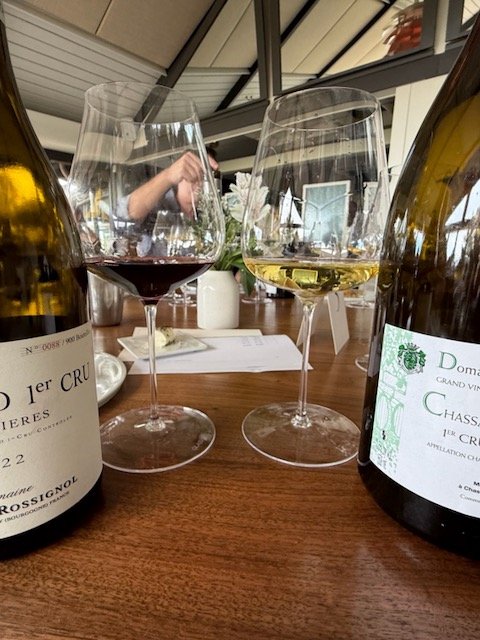
From rare Burgundy and an unforgettable Paulée lunch to a spontaneous interview, the Boulder Burgundy Festival reminded me that wine’s best stories often begin with the people we meet along the way.
Burgundy’s reputation precedes it: meticulously mapped vineyards, extraordinary wines, and centuries of history. For some, that complexity is irresistible. For others, it can feel like a world reserved for insiders.
But what if we approached Burgundy differently?
Not through price or prestige, but through curiosity, conversation, and the pleasure of sharing a glass?
That spirit defined the 15th Boulder Burgundy Festival, held in October 2026 in Boulder, Colorado.
“For the love. For the curiosity. For the inclusivity of Burgundy.”
Those words resonate deeply with me. Wine, at its best, brings people together. It should never create barriers.
I traveled to Boulder representing Stölzle Lausitz, the Festival’s Official Glassware Sponsor, eager to experience the community that Brett Zimmermann, Master Sommelier, has spent fifteen years building around one of the world’s most celebrated wine regions.
What I hadn’t anticipated was how personal the weekend would become.
A spectacular Paulée lunch, an intimate masterclass with two Burgundian winemakers, and a Grand Tasting featuring more than eighty wines brought me back to what first drew me into wine: discovery, generosity, and the stories behind every bottle.
And then there was an unexpected tête-à-tête with Sabine Mollard of Domaine Marc Morey.
But more on that shortly.
Fifteen Years of Making Burgundy Feel Like a Community
Behind the Boulder Burgundy Festival is Brett Zimmermann, whose passion for Burgundy has helped create an event that celebrates exceptional wines without losing sight of the pleasure of drinking them.
What impressed me most was the welcoming atmosphere Brett and his team have cultivated.
Collectors exchanged impressions of vineyards and vintages, sommeliers shared their expertise, and curious enthusiasts discovered something new. Conversations moved effortlessly between technical details and personal experiences.
Everyone had a place at the table.
And that matters.
Wine education can become so wrapped up in classifications and terminology that we forget what sparked our interest in the first place: the thrill of discovery, the fascination of terroir, and the pleasure of sharing those experiences.
The festival celebrates Burgundy, but its greatest strength is the community it brings together.
Burgundy Above Boulder: A Paulée to Remember
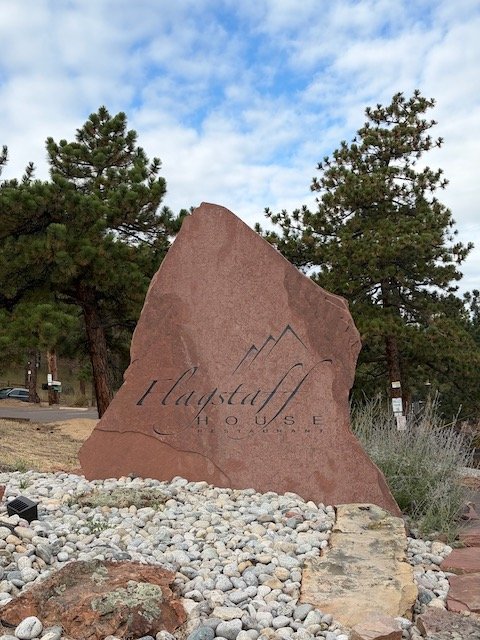
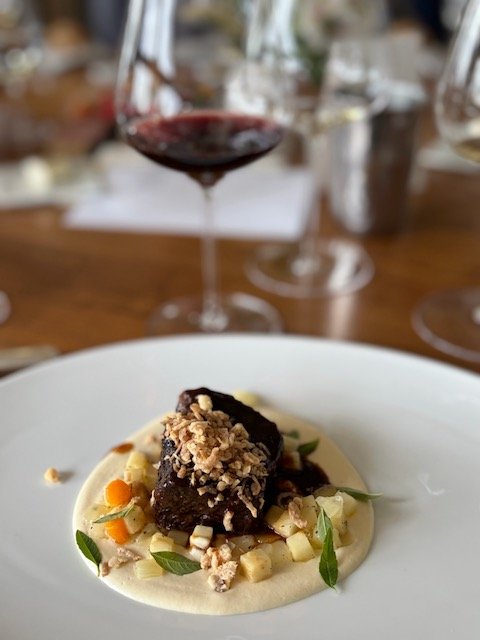
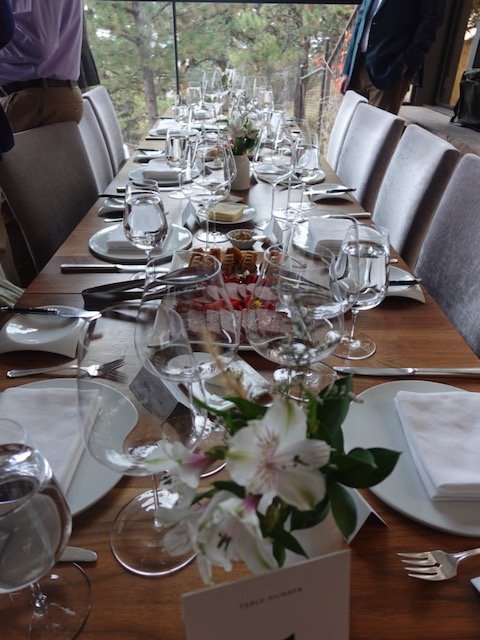
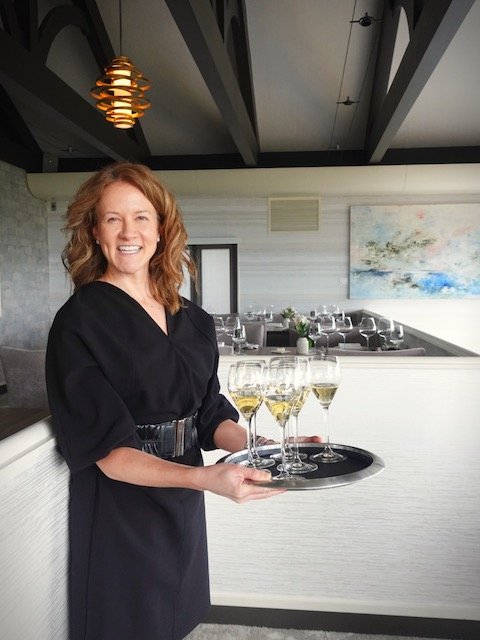
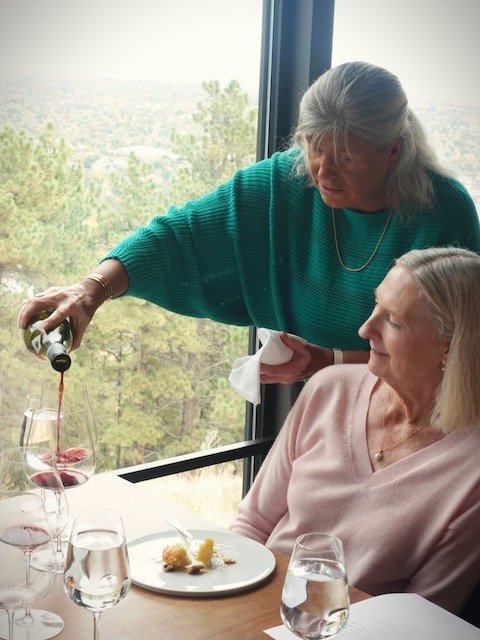
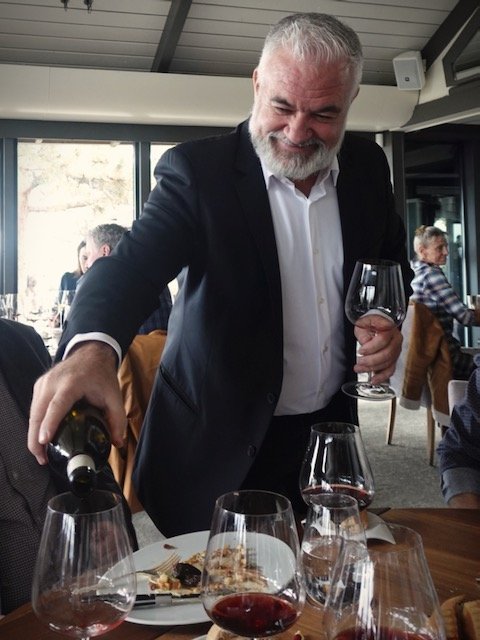
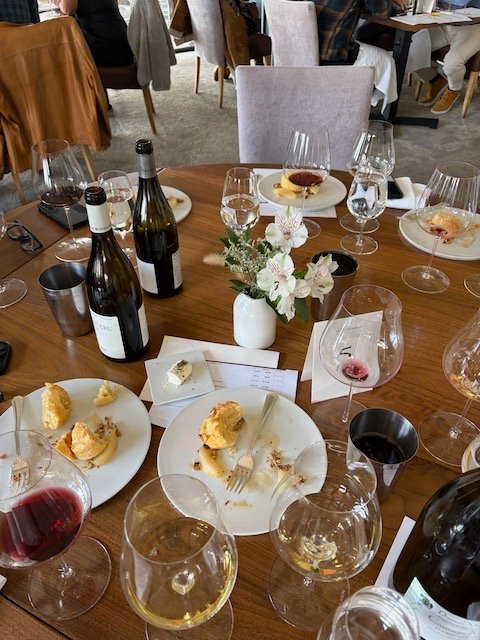
Saturday’s celebration took us high above Boulder to Flagstaff House Restaurant, where sweeping views of the surrounding landscape provided a spectacular setting for a Burgundian tradition.
The Paulée originated as a harvest celebration, when growers and their teams gathered to share food and wine. Today, that spirit lives on through convivial meals where exceptional bottles are opened and enjoyed together.
At its heart, the Paulée isn’t about possessing great wine.
It’s about sharing it.
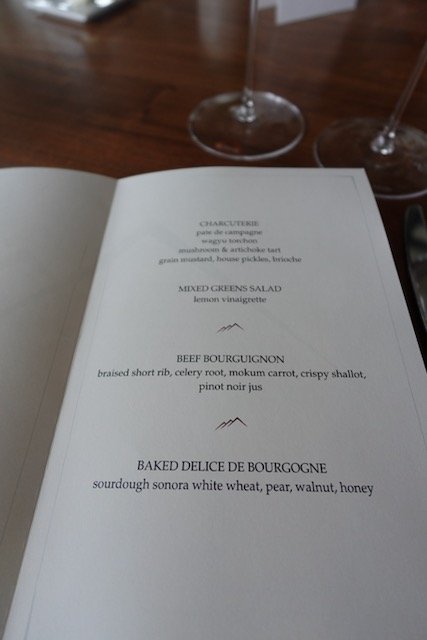
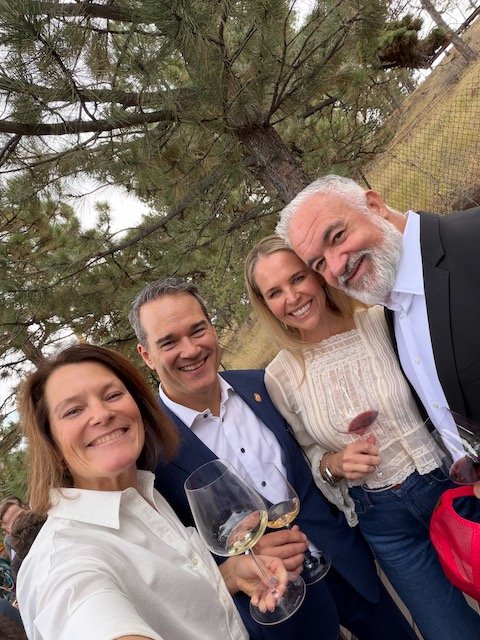
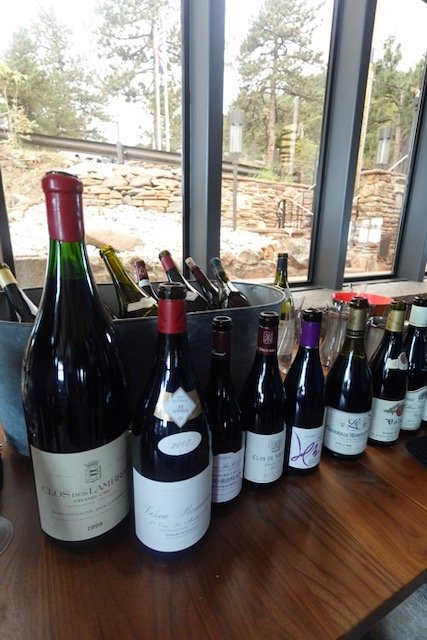
Our lunch brought together rare and mature Burgundies, a beautifully prepared multi-course menu, collectors, sommeliers, and two distinguished guests from the Côte de Beaune: Sabine Mollard of Domaine Marc Morey in Chassagne-Montrachet and Nicolas Rossignol of Volnay.
There is something wonderful about a table where conversation drifts from vineyards and vintages to family histories and memories attached to a particular bottle.
Older Burgundies were generously shared, each revealing the remarkable way these wines evolve with time.
But what stayed with me was the openness of the afternoon. Strangers exchanged impressions, bottles sparked conversations, and a shared passion for Burgundy quickly dissolved any formality.
And for me, it led to something entirely unexpected.
The Conversation I Never Planned
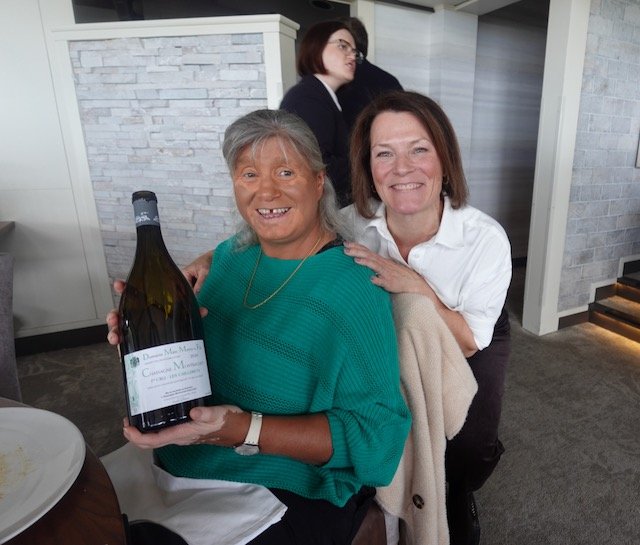
I happened to be seated beside Sabine Mollard.
Sabine is the fourth generation of her family to guide Domaine Marc Morey, established in 1919 in Chassagne-Montrachet and renowned for its expressive white Burgundies.
We began chatting, and because I speak French, our conversation naturally slipped into her native language.
Speaking to someone in their own language changes the rhythm of an exchange. The conversation becomes more relaxed, thoughts flow freely, and stories emerge that might otherwise remain untold.
One question led to another.
We spoke about her family’s history, her journey into winemaking, the challenges of working with nature, and the deeply personal moments that remind her why she continues doing what she does.
Before I knew it, an impromptu interview had begun.
No carefully arranged appointment. Just two women seated beside one another, sharing a language, a curiosity about life, and a love of wine.
Sabine spoke with warmth and sincerity about difficult vintages, moments of doubt, and an encounter that reminded her of wine’s extraordinary ability to connect generations.
I won’t reveal the whole story here. It deserves its own space.
But our conversation changed the way I experienced her wines the following day.
I was no longer simply tasting Chassagne-Montrachet from a respected family domaine. I was tasting the work of a woman whose story I had begun to understand.
Coming soon to The Happy Vine: my conversation with Sabine Mollard, exploring her family’s legacy, her personal journey, and the experiences that have shaped her life in wine.
The Glass Is Part of the Experience
Throughout the weekend, I had another reason to feel particularly connected to the festival.
I was representing Stölzle Lausitz, the Official Glassware Sponsor for this special 15th-anniversary celebration.
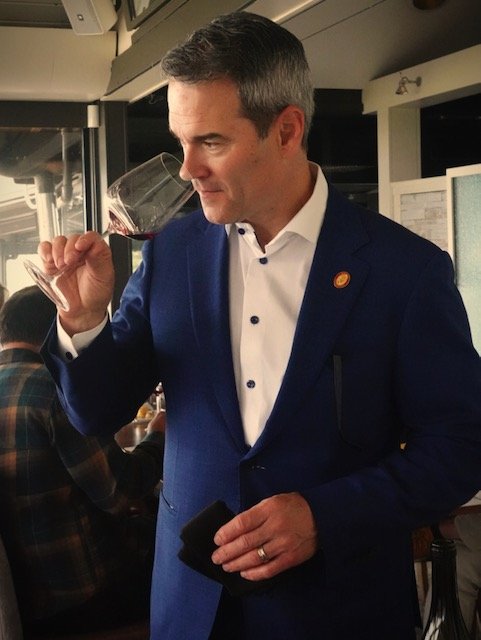
I’ve long believed that the glass we choose influences how we experience wine, from the way aromas are expressed to how texture and balance are perceived.
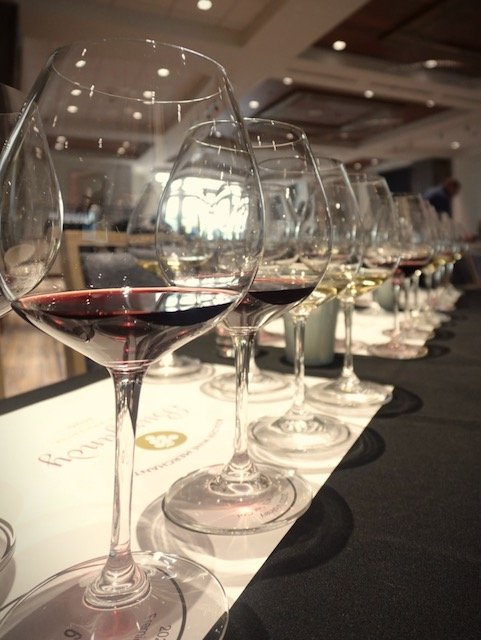
Seeing the Stölzle Lausitz Revolution Burgundy glasses in the hands of people who truly appreciate Burgundy’s subtleties was especially rewarding.
With their distinctive, generous bowls, these glasses are designed to allow expressive wines to reveal their aromatic complexity. When the difference between two wines can be as delicate as a fleeting floral note or a shift in texture, glassware becomes an important part of the experience.
What I enjoyed most was watching people discover that for themselves.
Conversations about glass shape, aroma, and sensory perception reminded me that even experienced wine professionals remain curious.
Burgundy in Contrast: Two Villages, Two Grapes, Endless Nuance
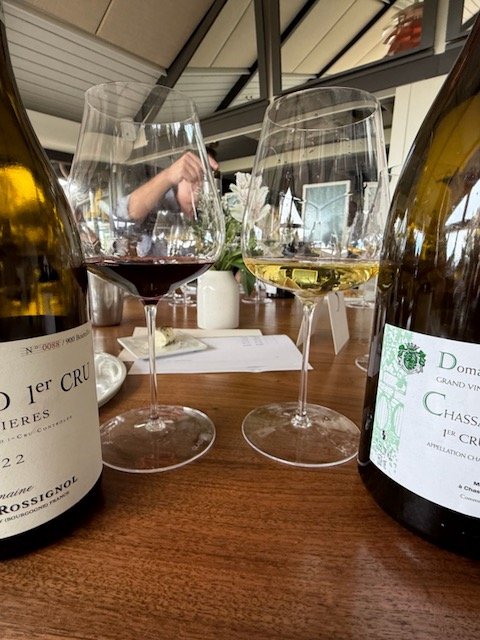
Sunday brought us to the Academy at Mapleton Hill for Burgundy in Contrast: Chassagne & Volnay, an intimate masterclass featuring Sabine Mollard and Nicolas Rossignol.
If Saturday celebrated the joy of sharing Burgundy, Sunday explored the extraordinary precision of its terroir.
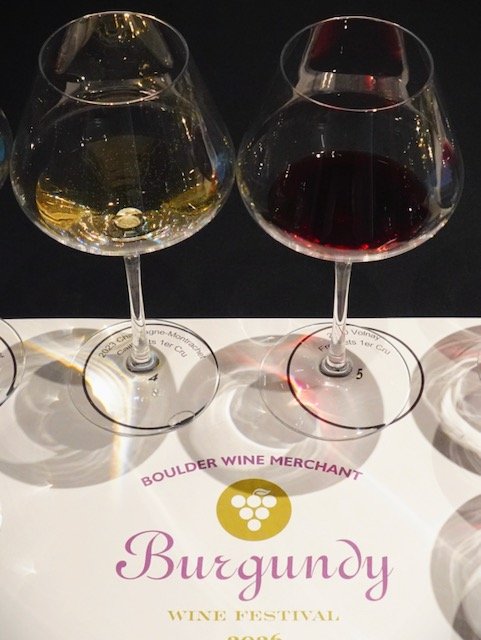
Chassagne-Montrachet is celebrated for Chardonnay, producing wines that range from taut and mineral to richly textured and complex. Volnay, by contrast, is revered for Pinot Noir, often expressing fragrance, finesse, and beautifully nuanced structure.
Yet the real fascination lies in the details.
A subtle change in soil. The age of a vine. Its position on the slope. The conditions of a particular vintage.
Each leaves its mark.
And when you taste these wines alongside the people who made them, those differences become wonderfully tangible.
Chassagne-Montrachet: One Village, Four Expressions
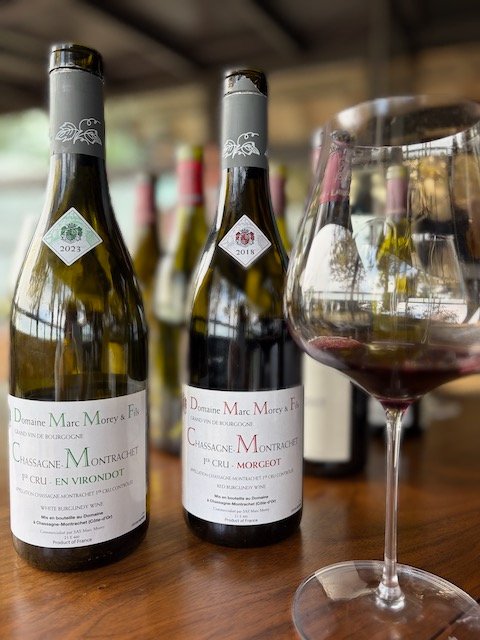
Sabine guided us through four 2023 Chassagne-Montrachet Premier Cru wines, demonstrating how Chardonnay can reveal remarkably different personalities within a single village.
Les Chenevottes offered a rounded, inviting character, generous and immediately approachable.
Les Vergers, my second favorite, was distinctly mineral-driven, with a stony, limestone impression that brought precision and energy.
Then came Morgeot.
This was my standout wine from Sabine’s 2023 lineup.
From vines approximately eighty years old, it offered greater concentration, with rounded texture, stone fruit, and an intriguing oat-like nuance. There was depth without heaviness, and something new seemed to emerge with every return to the glass.
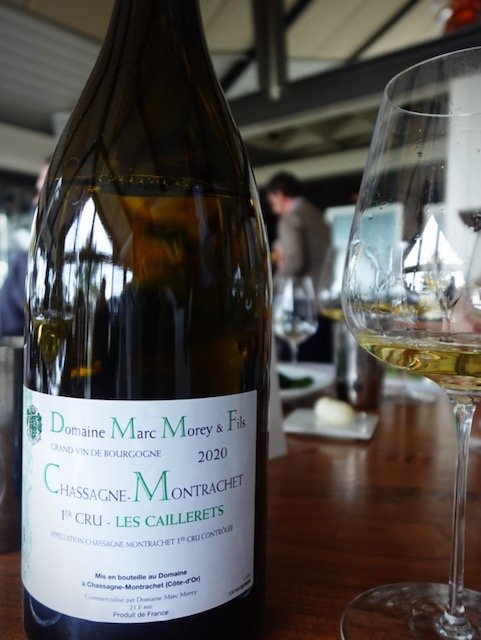
Les Caillerets revealed another expression, rounded and subtly spiced, with a quiet confidence of its own.
Four wines. One grape. One village. One vintage.
Yet each had its own identity.
That is Burgundy’s fascination. The differences can be subtle, revealing themselves through texture, freshness, and the way a wine unfolds across the palate.
Having spoken with Sabine the previous afternoon, I appreciated these wines differently. Behind each glass were years of observation, careful decisions, and the dedication of the woman presenting them.
Volnay: When Terroir Meets Vintage
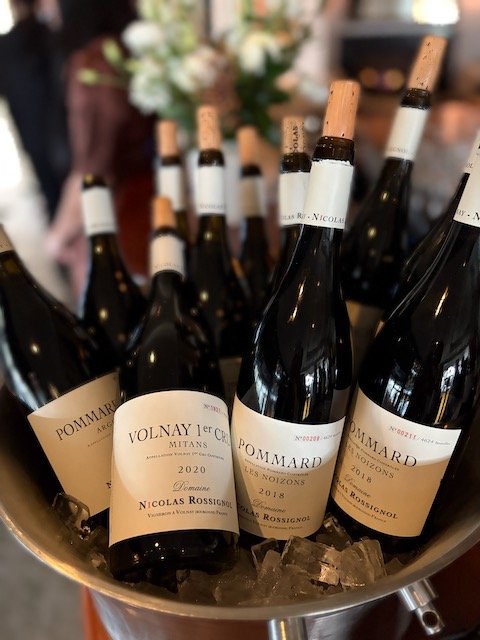
Next, Nicolas Rossignol took us into the world of Volnay Premier Cru, where Pinot Noir revealed the fascinating interplay between vineyard and vintage.
Our comparative tasting focused on Les Fremiets and Taillepieds, exploring the 2020 and 2022 vintages side by side.
Les Fremiets 2020 offered freshness and understated elegance, its compact structure carrying subtle savory notes. The 2022 was fuller and earthier, with more pronounced barnyard aromas.
But it was Taillepieds that particularly captured my attention.
The 2020 Taillepieds was beautifully bright, with raspberry, cherry, floral notes, and a delicate suggestion of raspberry leaf. Its compact structure and gently unfolding tannins gave it a wonderful sense of restraint.
The 2022 Taillepieds offered a striking contrast: more reductive and earthy, with barnyard notes, broader shoulders, and firmer acidity.
Two vineyards. Two vintages. Distinct personalities.
The tasting reinforced something I find endlessly compelling: terroir is never a static expression. It is an evolving relationship between place, climate, vine, vintage, and the winemaker’s choices.
Nicolas brought those differences to life with clarity and generosity, leaving us with an even greater curiosity to explore.
And isn’t that what great wine education should do?
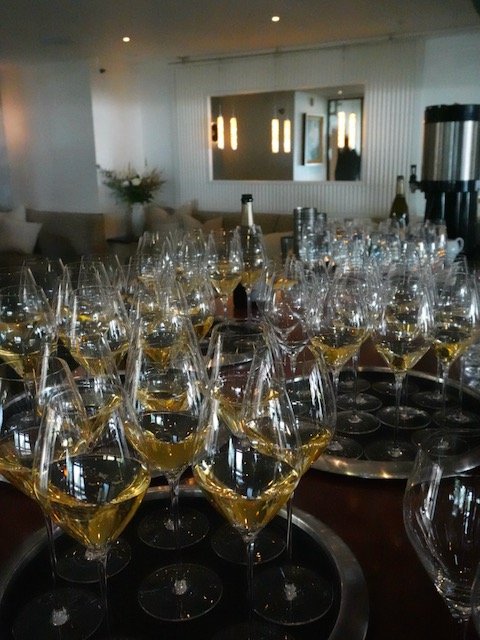
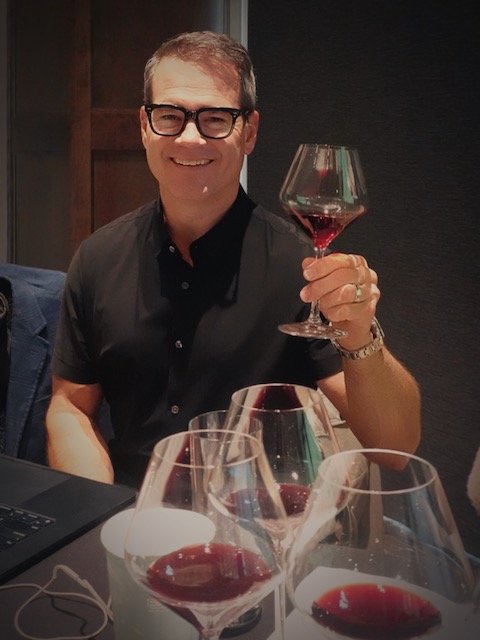
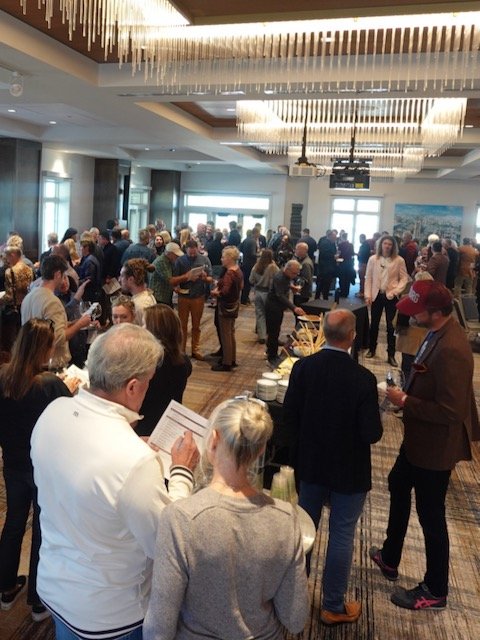
More than eighty Burgundy wines offered an extraordinary journey through appellations, producers, and styles, while charcuterie and live acoustic music added to the convivial atmosphere.
The room buzzed with conversation.
Sommeliers exchanged impressions, collectors shared discoveries, and enthusiasts explored wines and producers they had never encountered before.
What struck me was how naturally expertise and enthusiasm mingled. No one needed to know everything to feel part of the experience.
This was the festival’s philosophy brought to life:
For the love. For the curiosity. For the inclusivity of Burgundy.
The Stories We Take Home
Looking back, I remember the mineral precision of Les Vergers and the concentration of Morgeot.
But what I treasure most are the connections.
The generosity of people who shared extraordinary bottles. The conversations that made Burgundy feel accessible. And that unexpected lunch beside Sabine Mollard, when speaking French opened the door to a story I hadn’t anticipated.
My heartfelt thanks to Brett Zimmermann, Master Sommelier, and the entire Boulder Burgundy Festival and Boulder Wine Merchant team for creating such a thoughtful and welcoming celebration.
I arrived representing Stölzle Lausitz, proud to be part of the festival’s 15th anniversary. I left with new friendships, fresh perspectives, and a story I cannot wait to share.
In my upcoming feature, I’ll introduce you more personally to Sabine Mollard: the woman behind Domaine Marc Morey, her family’s legacy, the challenges that have shaped her, and a deeply moving story about a bottle of wine shared across generations.
For now, the memory I carry home is a simple one: two women seated beside each other at a Burgundy lunch, speaking French while the celebration continues around them.
Great wines introduce us to extraordinary places. Sometimes, they introduce us to extraordinary people.
À suivre…