
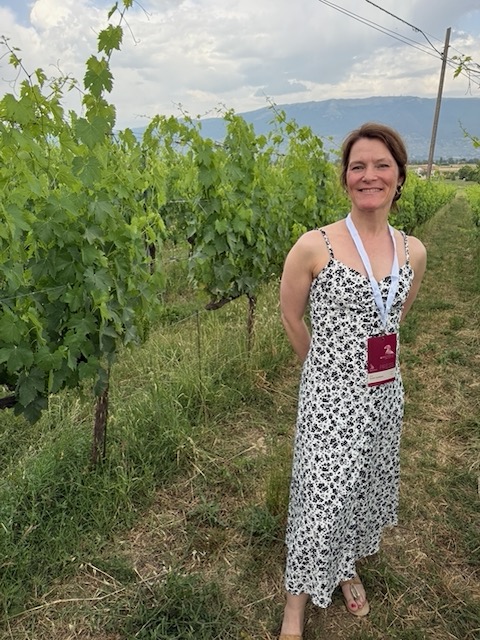
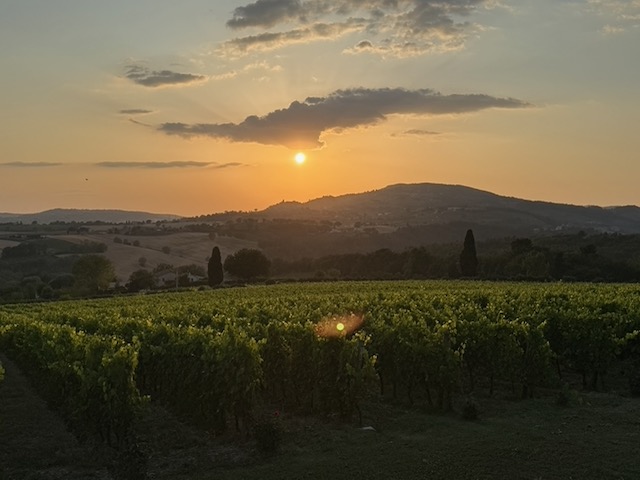
There’s a peculiar hush that falls over Montefalco in the late afternoon — a soft, golden hush that feels like the land itself inhaling before evening. It’s the hush of vines settling into their history, of stone walls holding centuries of stories, and of grapes quietly completing their slow transformation. On this immersive three-day press trip, winding through the hilltops between Montefalco, Bevagna, Gualdo Cattaneo, and Castel Ritaldi, that hush returned again and again. With it came a simple truth: Montefalco is where place and patience turn wine into something far more enduring — memory.
Day 1: Turrita Winds, Old Vines, and Hospitality That Feels Like Home
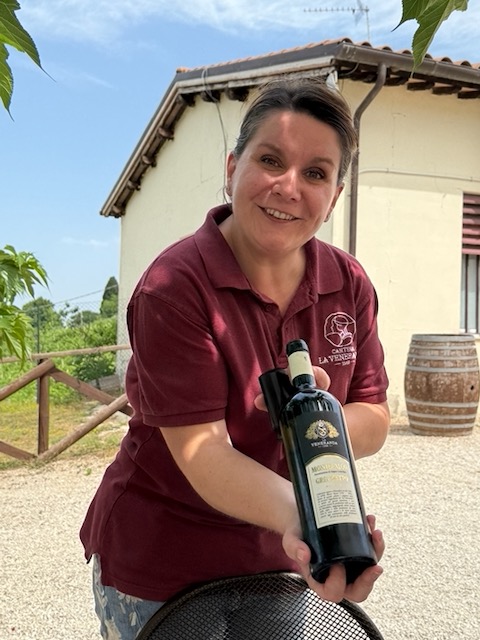
The journey began at La Veneranda a charming, exclusively female-led estate led by visionary duo Eleonora Alessandrelli and Anna Rita Scarca, with roots tracing back to 1568 in the Moncelli family archives. Perched at about 300 meters on sedimentary, weakly clayey soils, this 18-hectare property delivered a thoughtful welcome that perfectly set the tone. Their Sagrantino from old plantings offers precise minerality and long-breathed tannins shaped by careful oak aging — a refined, terroir-first expression that feels deeply rooted in the land’s ancient rhythm.
Next came Benedetti & Grigi at Polzella. This modern estate thrives on clay-rich hills, meticulously selecting terroir for each variety to unlock its fullest potential. Their bright, neat Trebbiano Spoletino whites danced alongside classically built reds like the Dioniso Sagrantino, showcasing energetic contemporary expressions grounded in careful vineyard work.
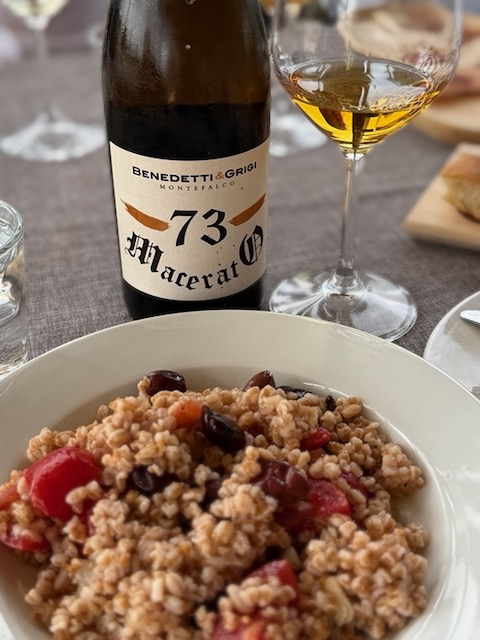
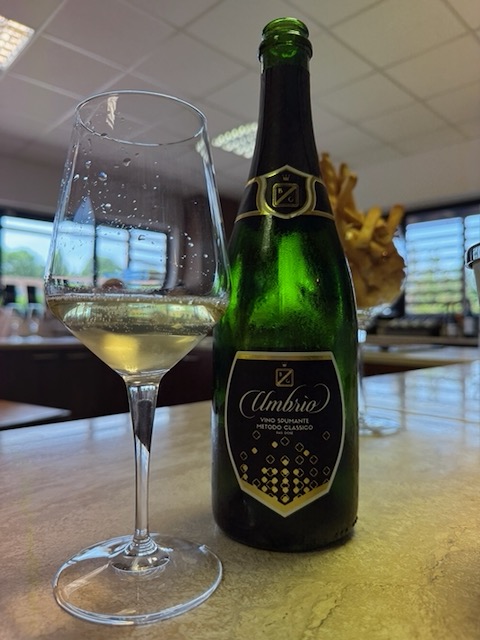
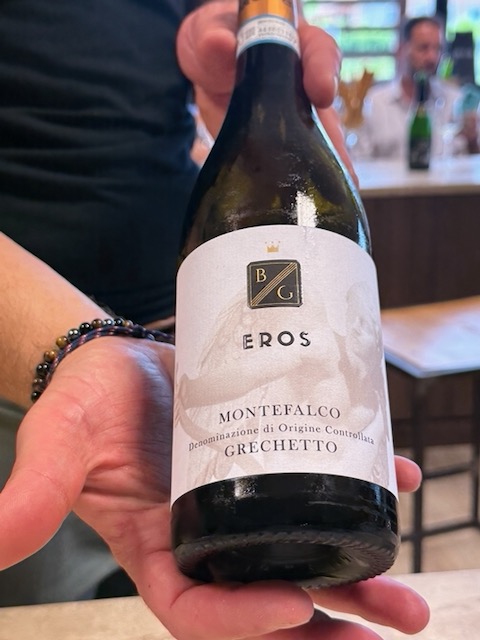
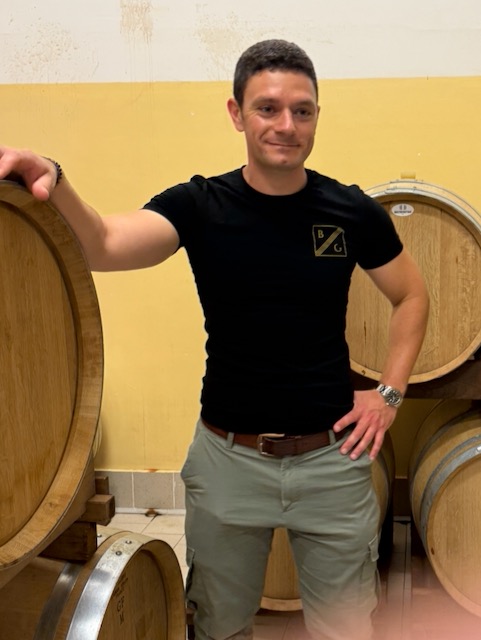
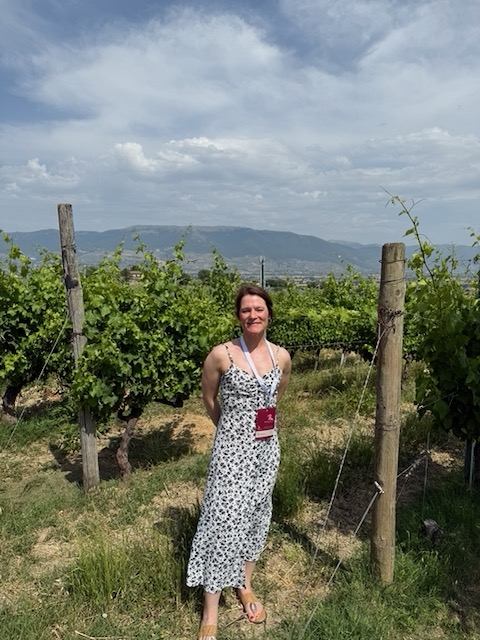
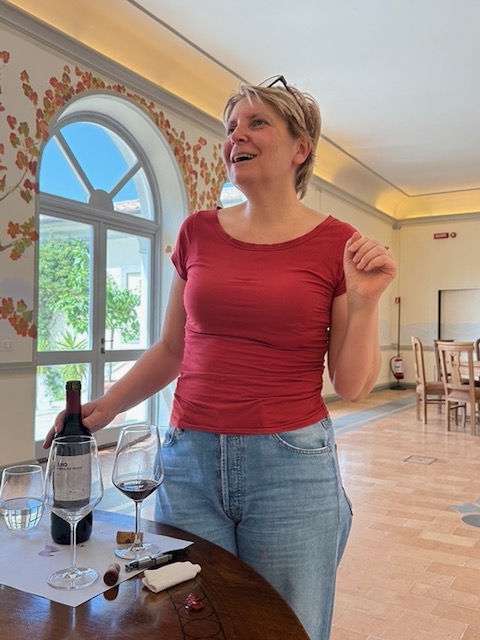
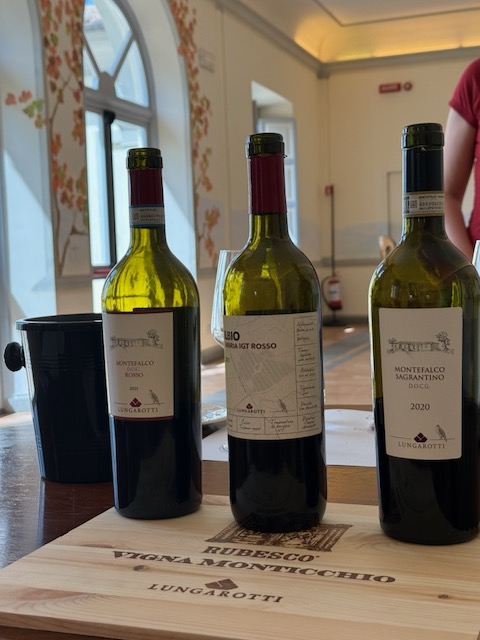
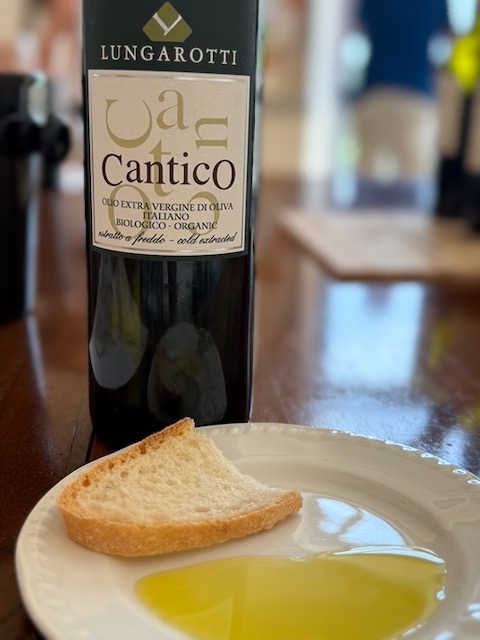
Lungarotti / Tenuta di Montefalco in Turrita brought a powerful house style that bridges deep history and international reach. With underground cellars using gravity-fed winemaking and a blend of large barrels and barriques, they craft both classic and organic ranges. Their Sagrantino and Montefalco Rosso balance tradition with refinement, delivering harmonious reds rich in wild berries, spices, and structured elegance.
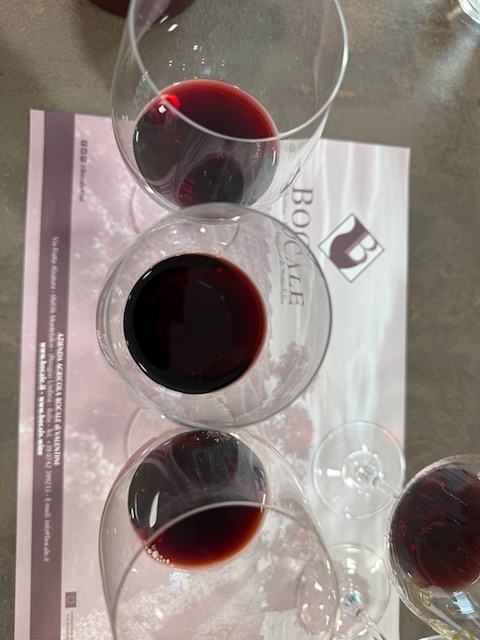
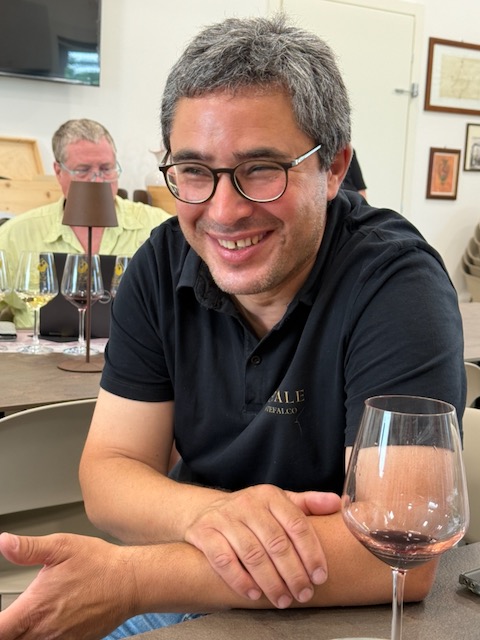
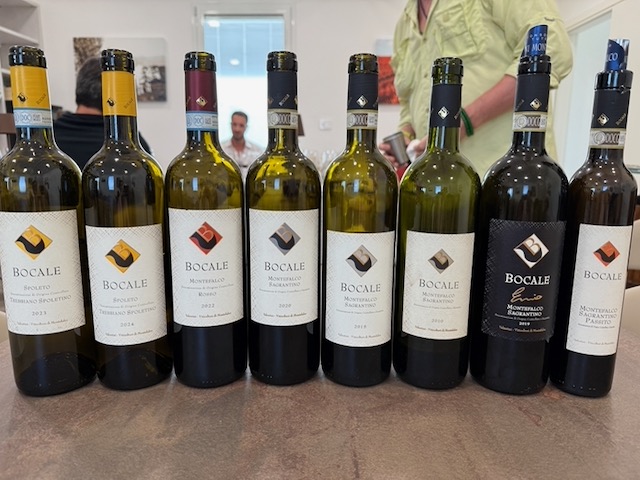
Bocale offered pure, elemental Sagrantino from old-vine sites at altitude through rigorous minimal-intervention winemaking — 40+ day macerations, natural enzymes, and aging in 1000L oak — yielding wines with palpable soil minerals, authentic textural depth, and an honest, mineral-driven character that asks for patience and richly rewards time. Valentino Valentini’s infectious smile and family lore captivated us.
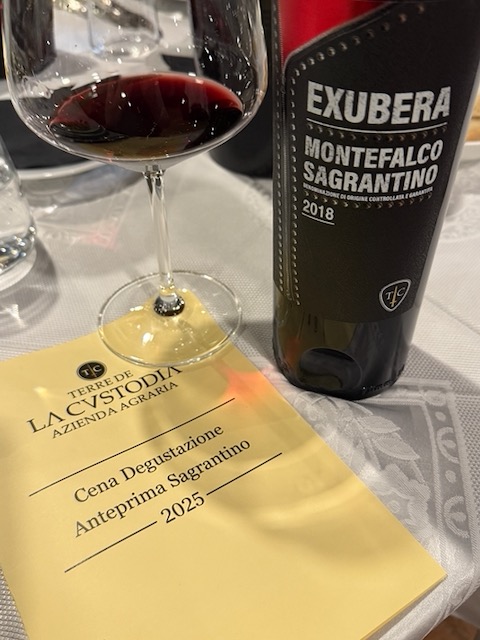
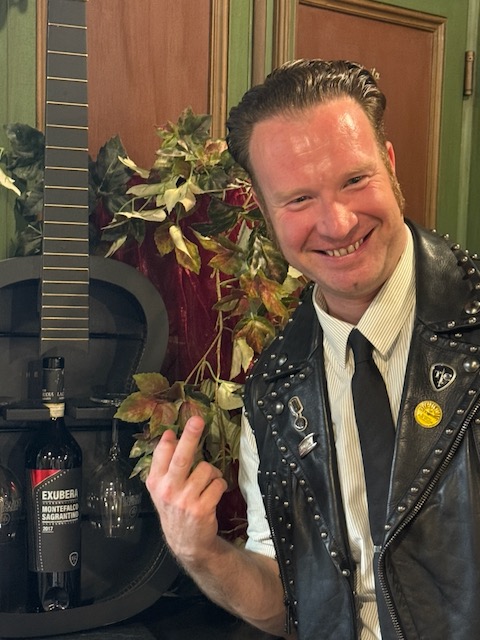
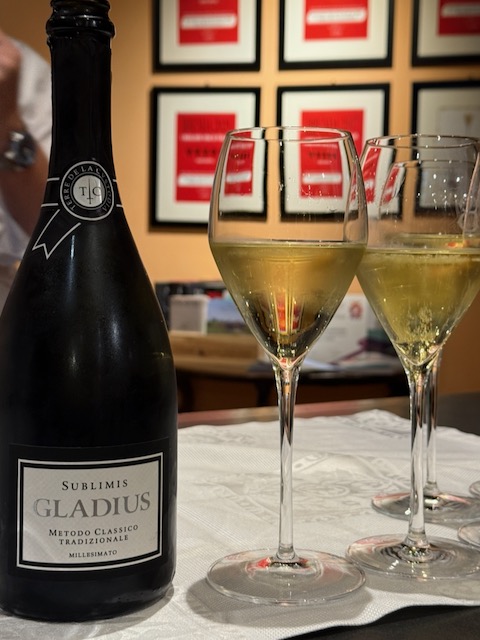
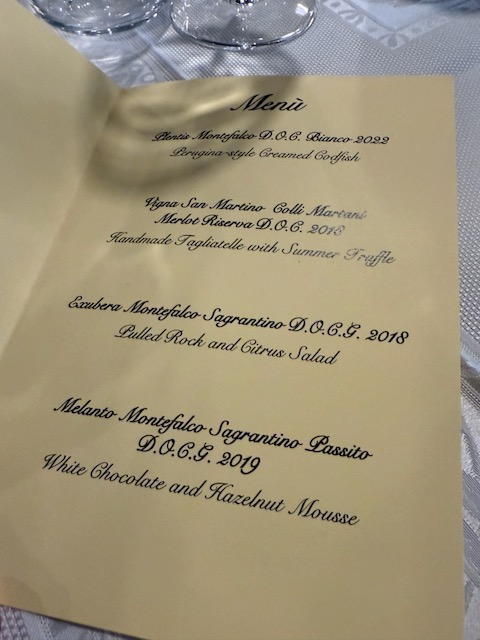
The day closed with dinner at Terre de la Custodia, A communal rockabilly table and a large cellar program; Terre de la Custodia showcased Montefalco’s many faces that night — from accessible, clear-production bottlings to focused, ageworthy Sagrantino. The meal felt like the region’s social heartbeat distilled into one generous evening thanks to Chef Marco’s talents.
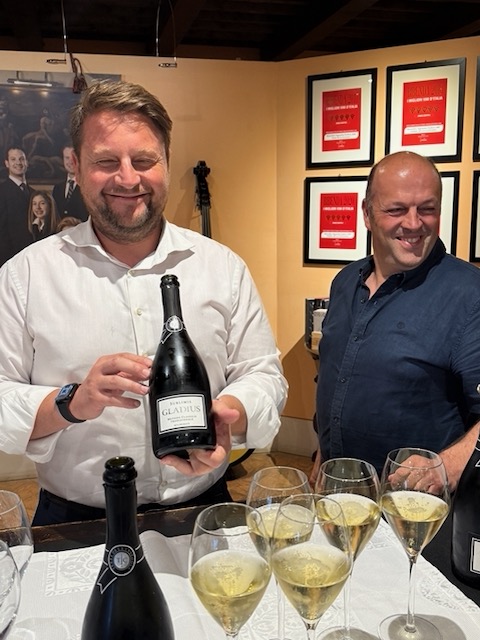
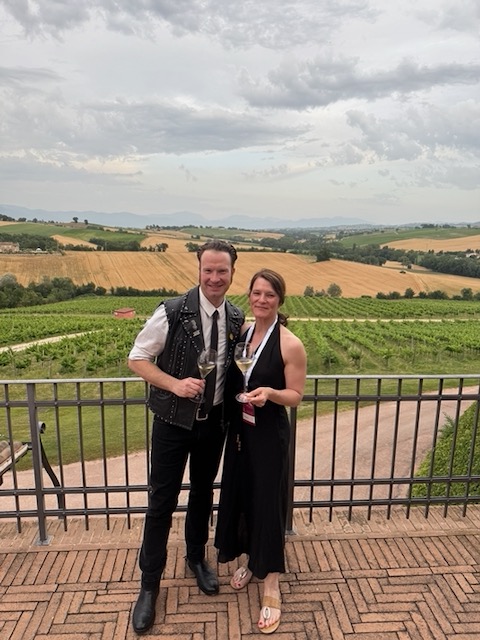
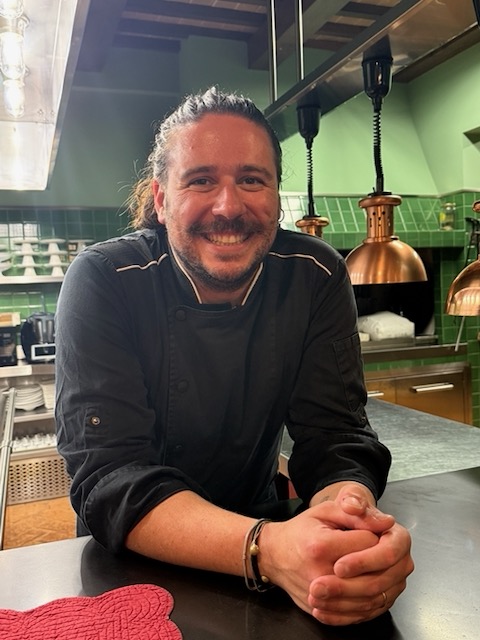
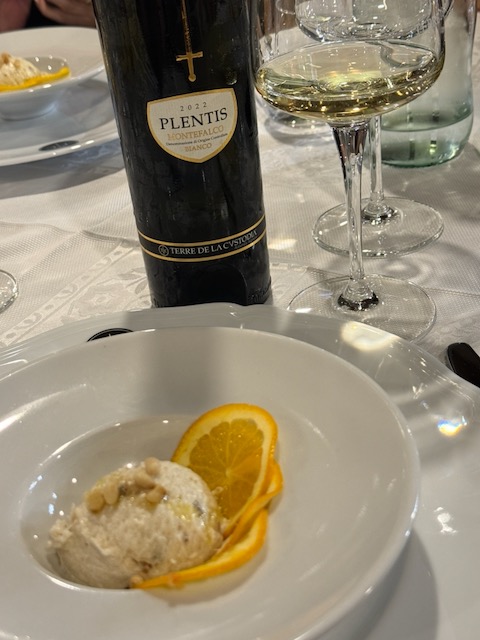
Day 2: The Consorzio’s Pulse, Family Histories, and Elegant Restraint
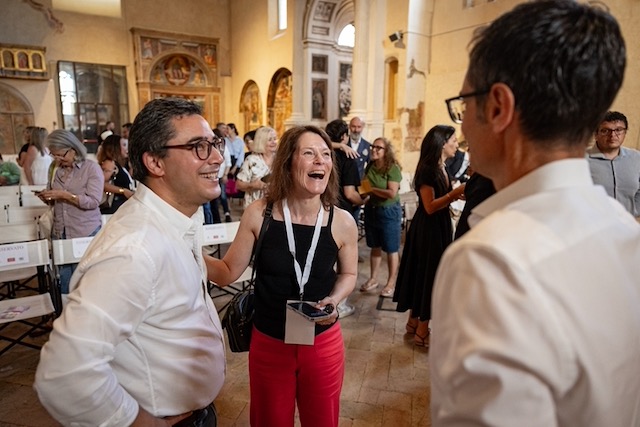
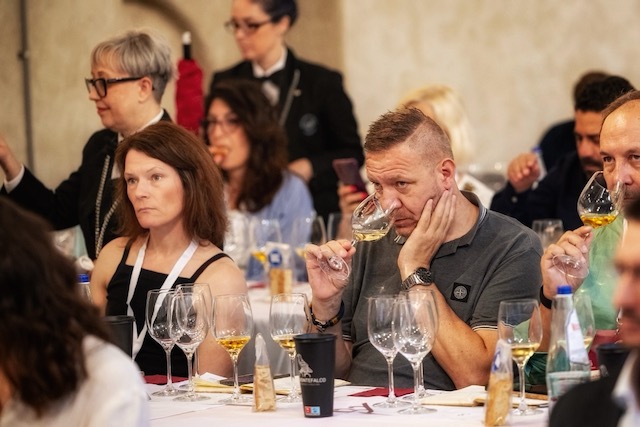
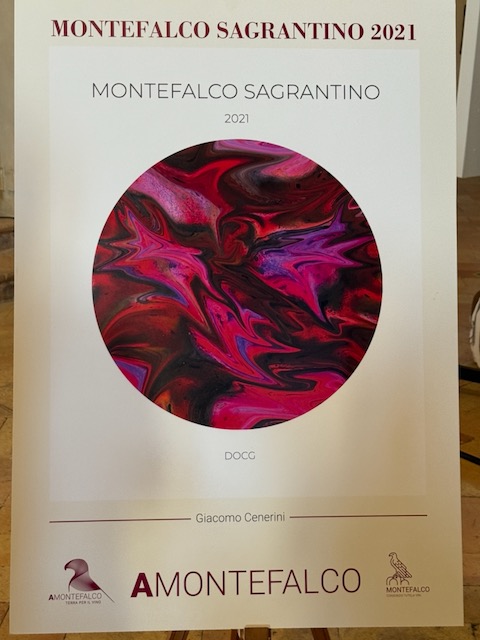
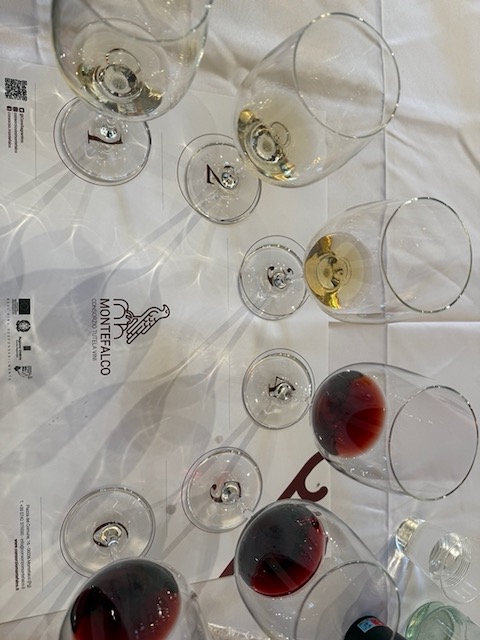
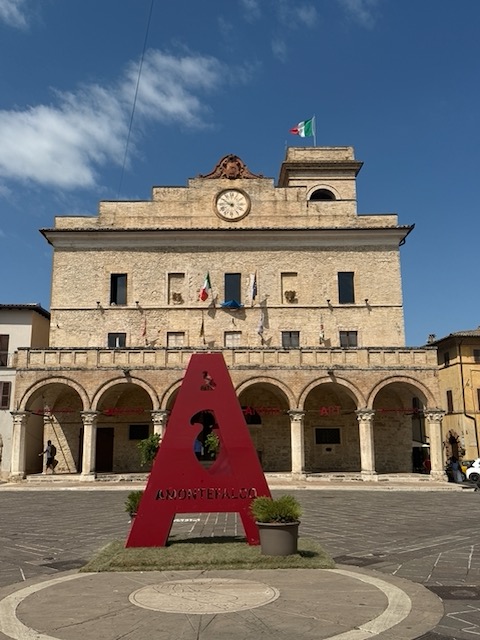
A deep dive with the Consorzio Tutela Vini Montefalco brought vintage insights, terroir maps, and the region’s “A” ethos — Assertive, Authentic, Ageable — into focus. Sagrantino’s formidable structure, Montefalco DOC diversity, and Trebbiano Spoletino’s striking verticality told the region’s story through numbers and nuance.
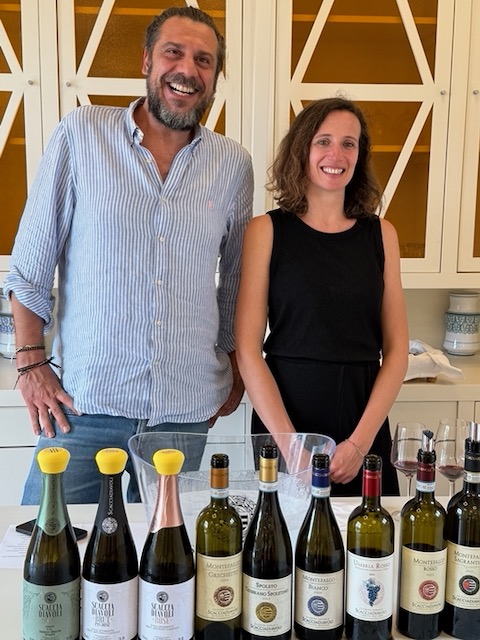
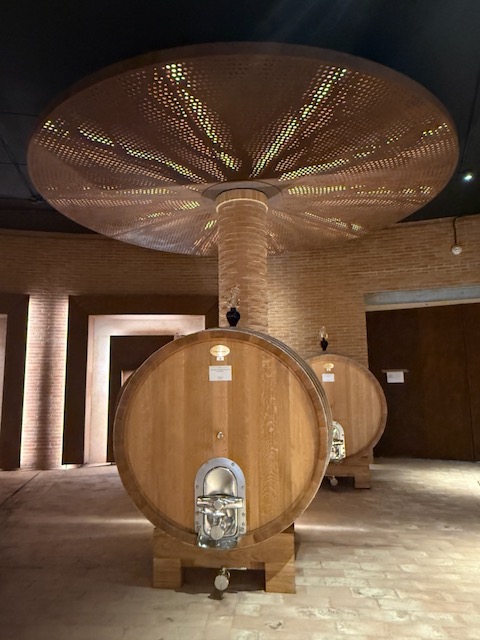
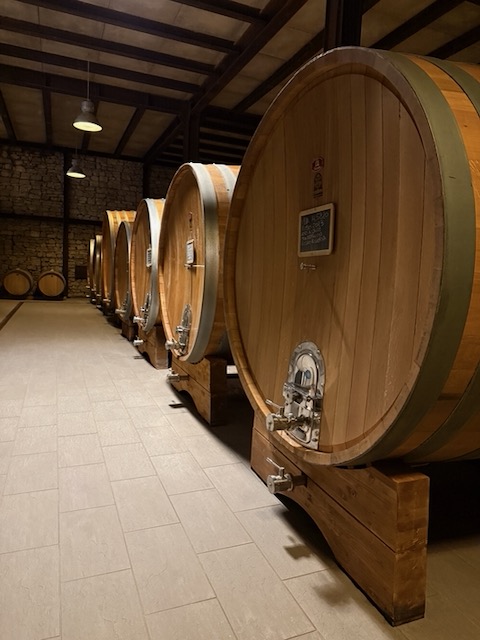
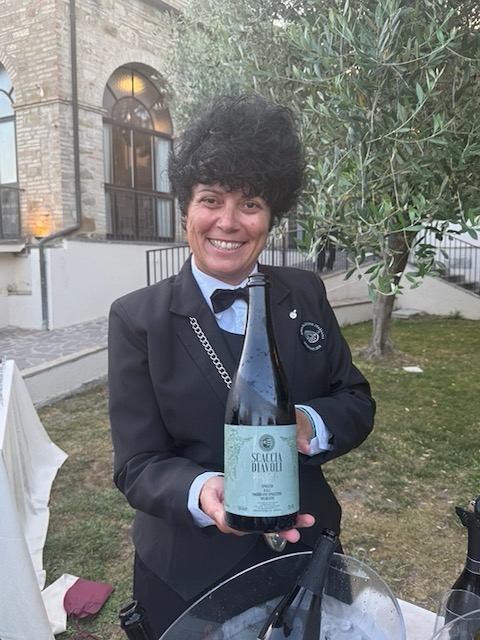
Scacciadiavoli embodied layered family history and ambitious breadth. Named after a legendary 14th-century exorcism using local wine, this Pambuffetti family estate blends classic Sagrantino with amphora experiments, site-specific passito, and long-aged bottlings. Its monumental 19th-century cellars feel like a living museum of winemaking tradition meeting modern ambition and family conviviality.
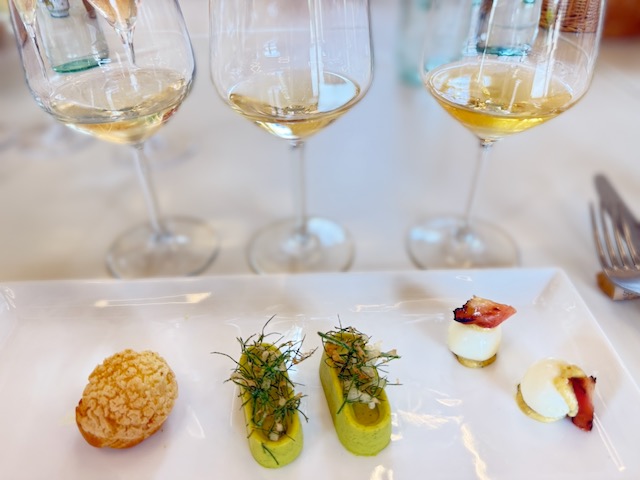
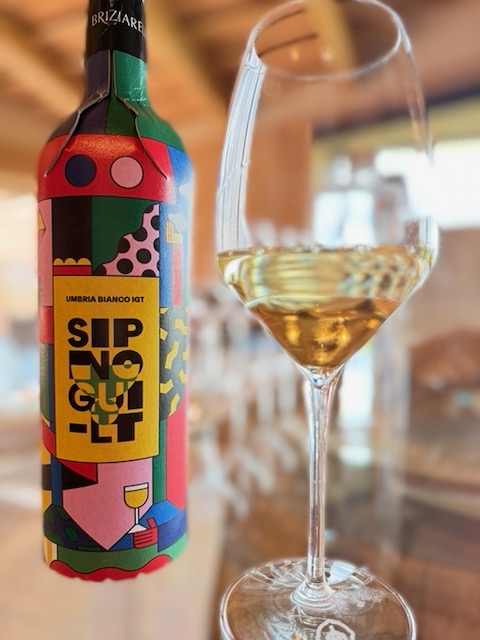
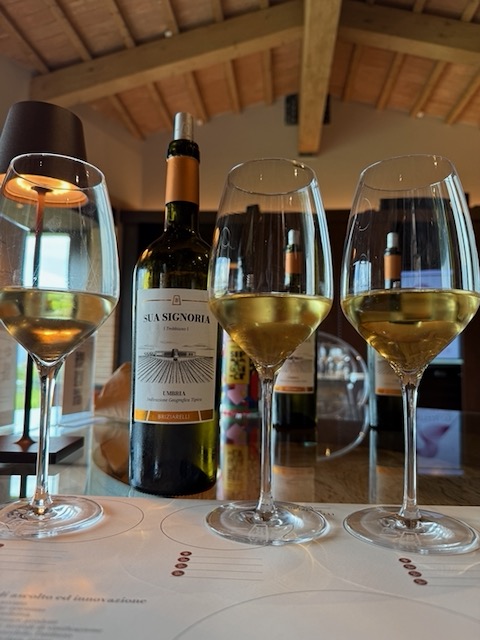
Briziarelli in Bevagna brought artistic presentation and clean, honest wines. With a legacy dating to Pio Briziarelli’s early 20th-century agricultural vision and a sleek 2012 winery, they translate lighter Bevagna soils into fresher profiles — from approachable Montefalco Rosso to structured Sagrantino and expressive passito, all marked by bright artisanal energy and a shift toward greater freshness under recent leadership.
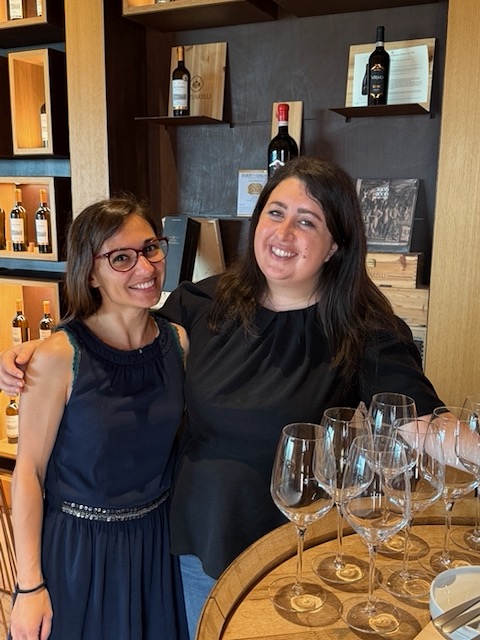
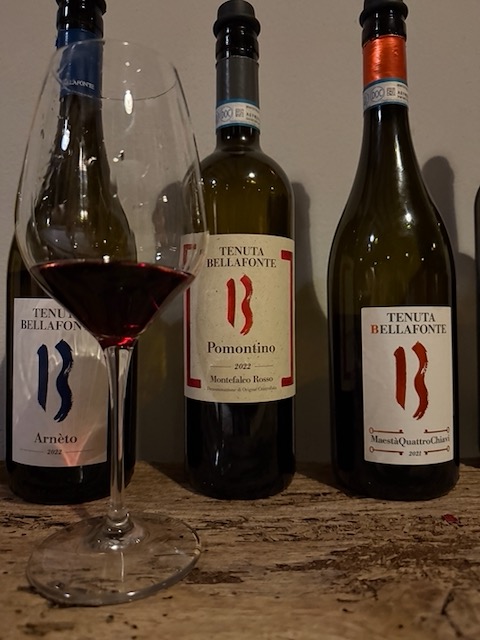
Tenuta Bellafonte Peter Heilbron’s Bellafonte pursues a “less is more” elegance: Collenottolo Sagrantino and Sperella Bianco favor finesse, silkier tannins and floral lift over brute power, demonstrating how restraint and precision deliver compellingly graceful expressio
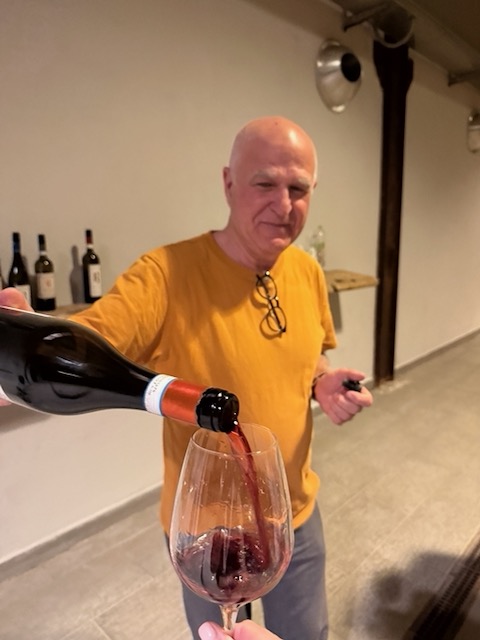
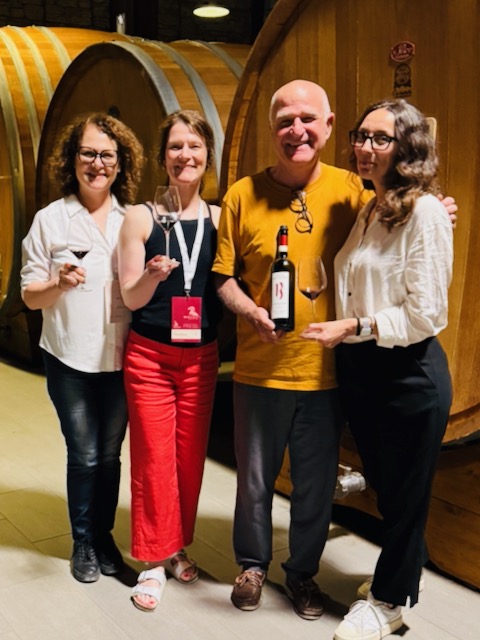
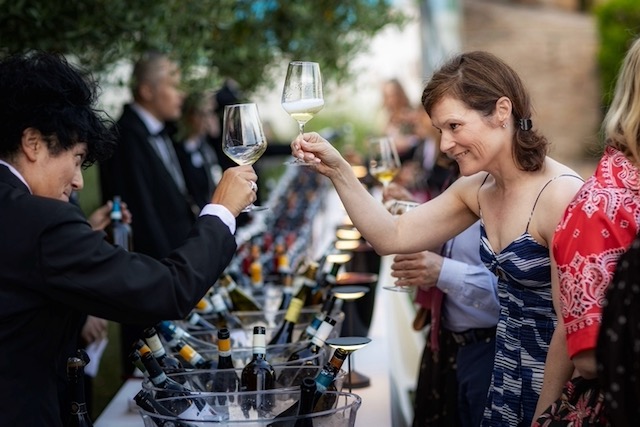
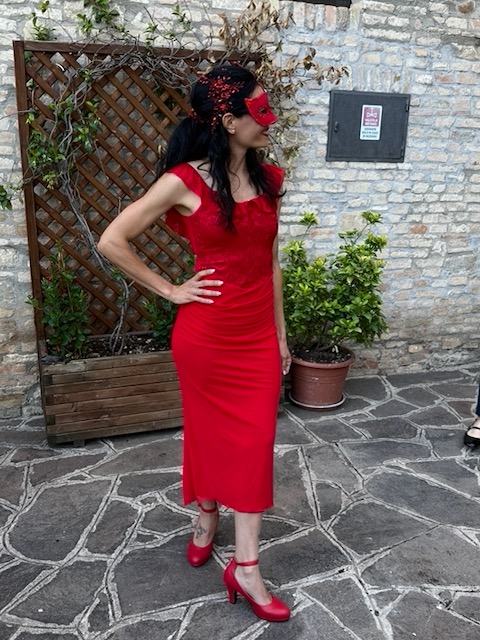
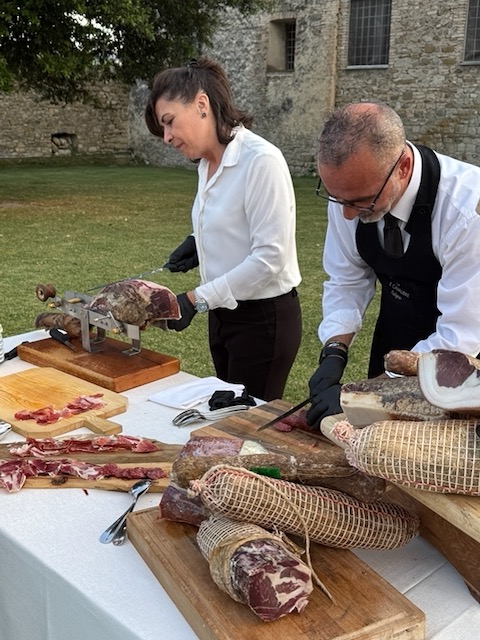
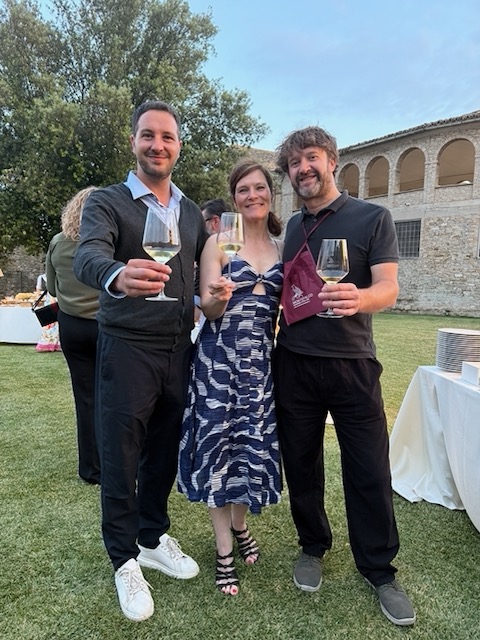
The Consorzio soirée featured verticals and conversations that showcased Montefalco’s collaborative spirit — a region in dialogue about quality, longevity, and identity. Featuring the beauty of Montefalco blended with aerial performers and delicious Umbrian delights.

Day 3: Small Estates, Amphora Tales, and Single-Vineyard Honesty
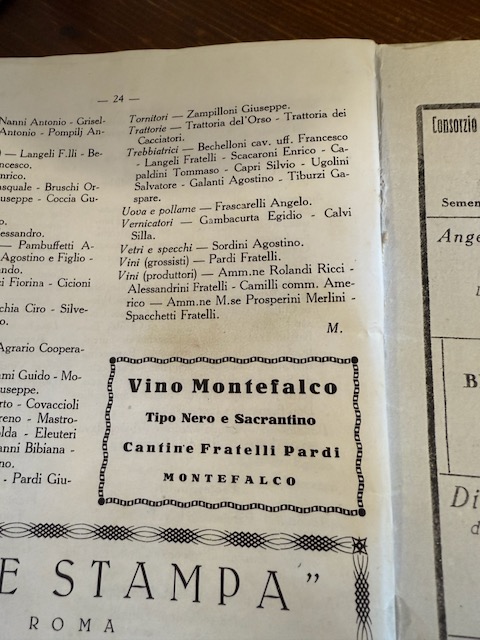
Smaller voices shone on the final day. Colle Ciocco (Spacchetti family) offered historic high-altitude clay sites yielding Sagrantino with bright cores and mineral tension, alongside thoughtful Grechetto and Trebbiano Spoletino whites.
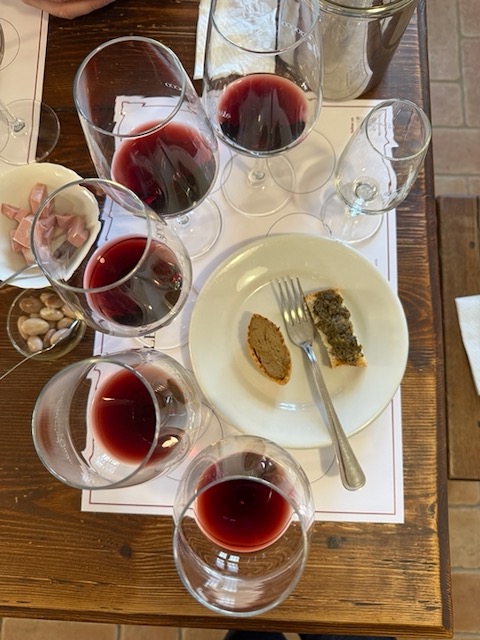
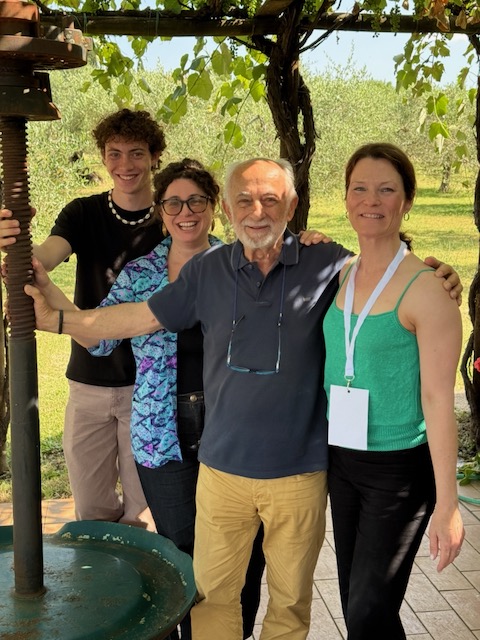
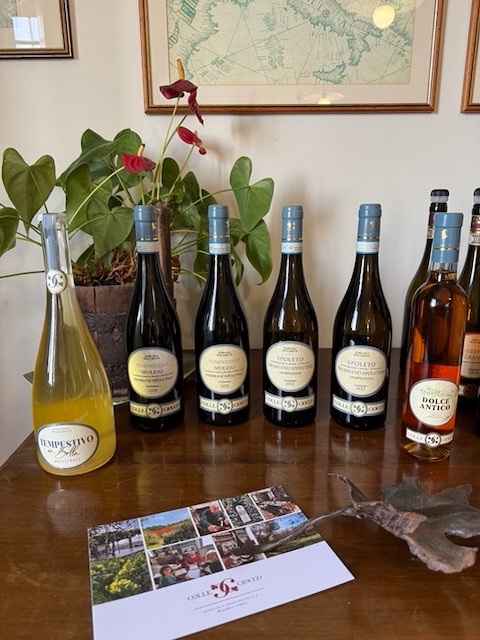
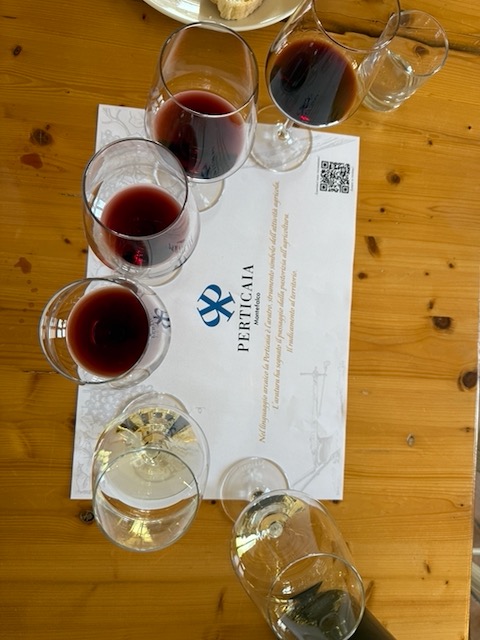
Perticaia impressed with organic ambition, clear vineyard zoning, and balanced Sagrantino and Rosso Riserva. Named after the traditional Umbrian plow, this estate emphasizes precision viticulture and stylistic variety, producing characterful reds that marry dark fruit with supple texture and spice
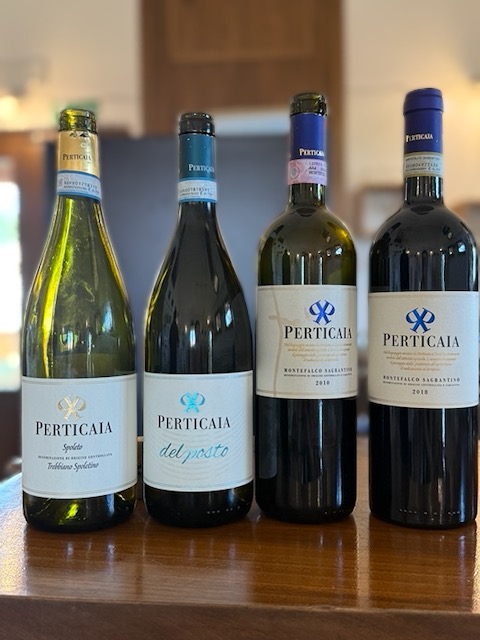
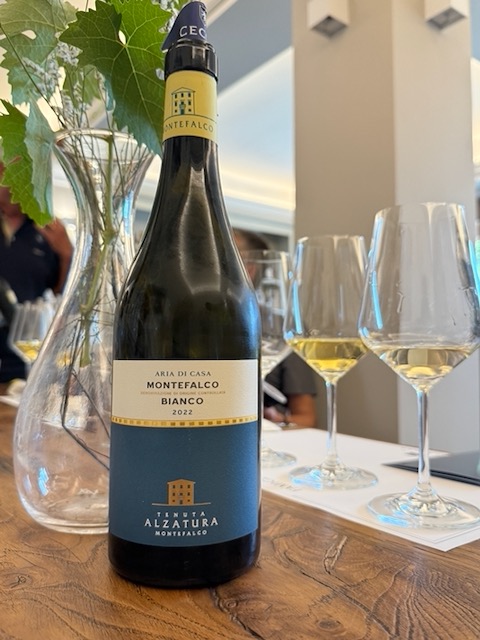
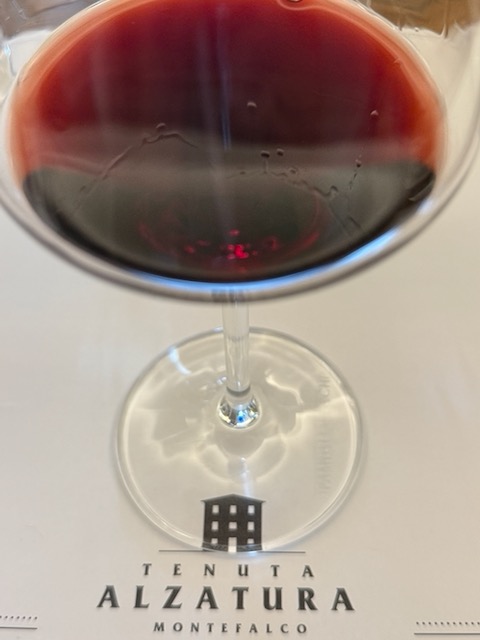
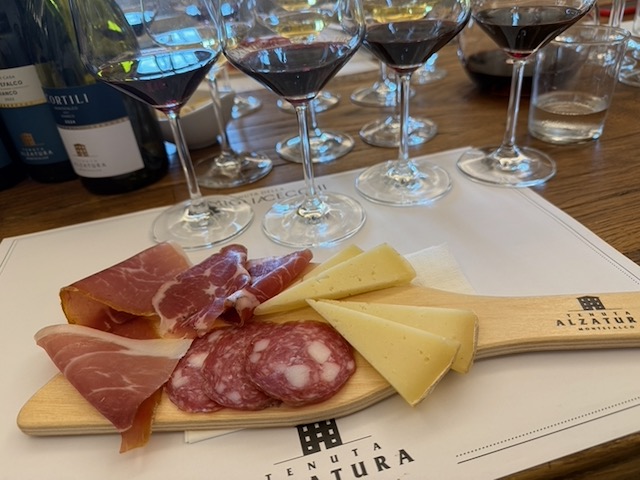
Tenuta Alzatura (Cecchi family) Serena Storri led us through the quiet confidence of the winery delivered through organic-certified parcels and a strong white program, including Trebbiano Spoletino aged in tonneaux. Their measured, site-reflective Sagrantino opens beautifully with air, revealing layers of honest Umbrian character.
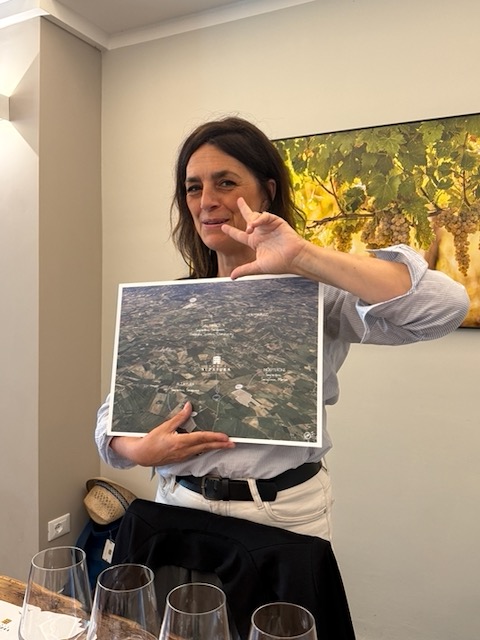
Terre di San Felice in Castel Ritaldi provided intimate, natural terroir-driven wines from small organic-minded plots: honest clay-driven structure and focused fruit that felt familial and authentic.
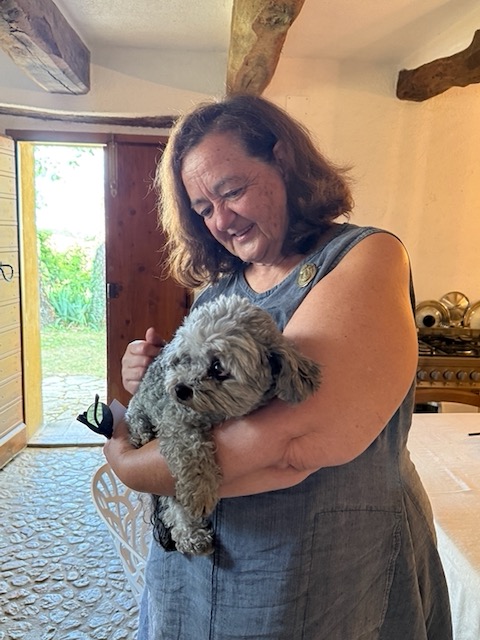
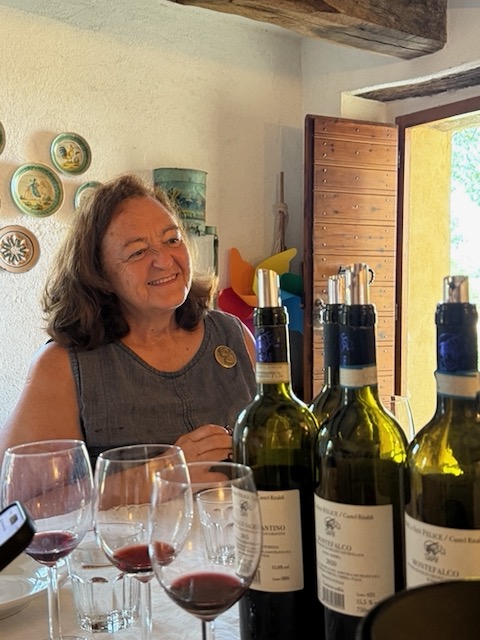
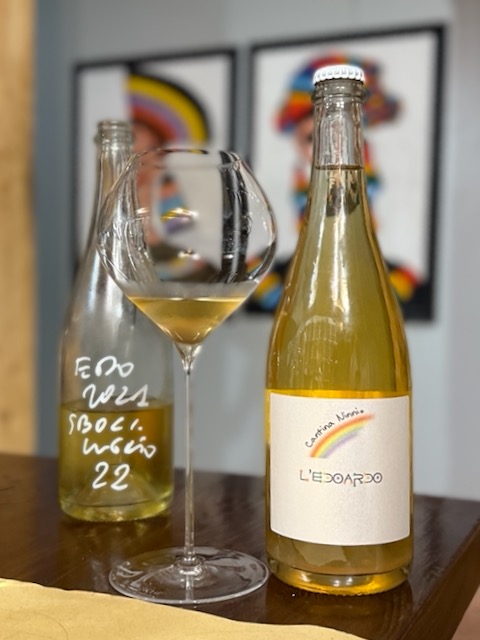
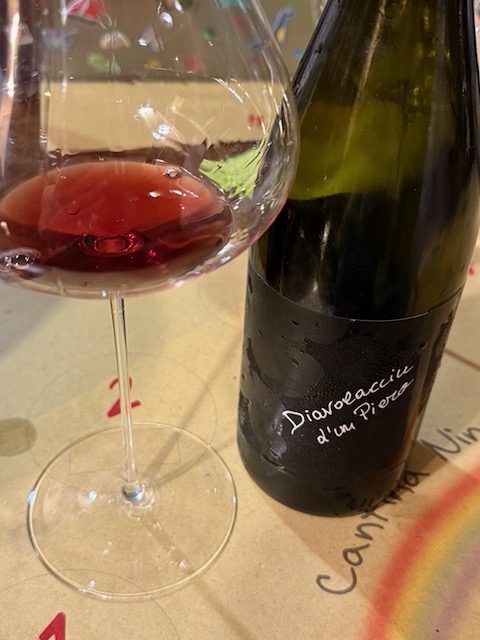
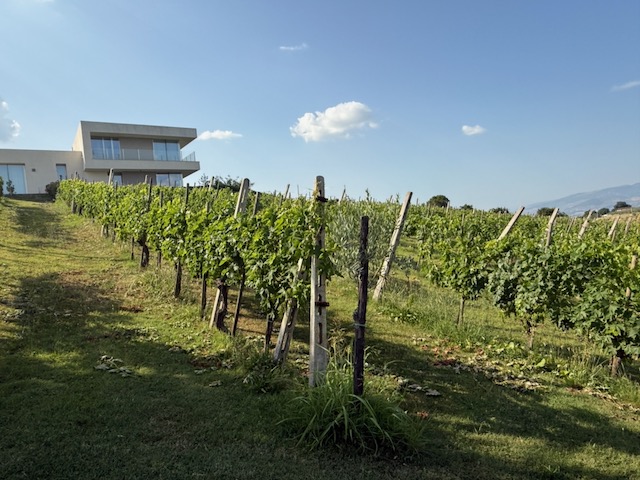
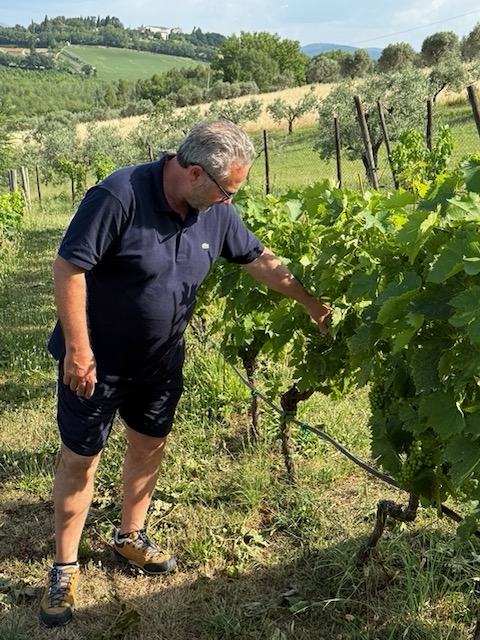
Ninni in the Spoleto/Terraia area was a masterclass in Trebbiano Spoletino, with two distinct expressions — the amphora-textured older-vine Misluli and cleaner Poggio del Vescovo — highlighting how age and vessel shape its vertical acidity and aromatic clarity. A true garagiste and one to watch for his out of the box experimentation and bravado.
Antonelli San Marco a historic pillar since 1883 with 190 hectares, closed the visits with rigorous cellar discipline, closed the visits with rigorous cellar discipline: layered Sagrantinos and distinctive Trebbiano Spoletino from experiments in terracotta, large oak, and barrique. Multi-vintage perspectives revealed texture, patience, and long-view ambition.
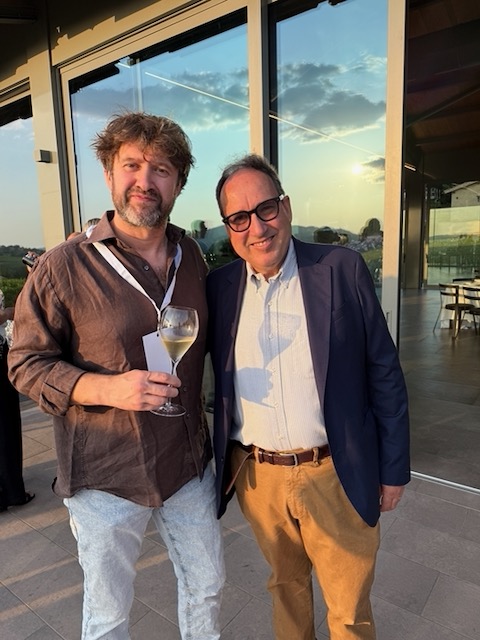
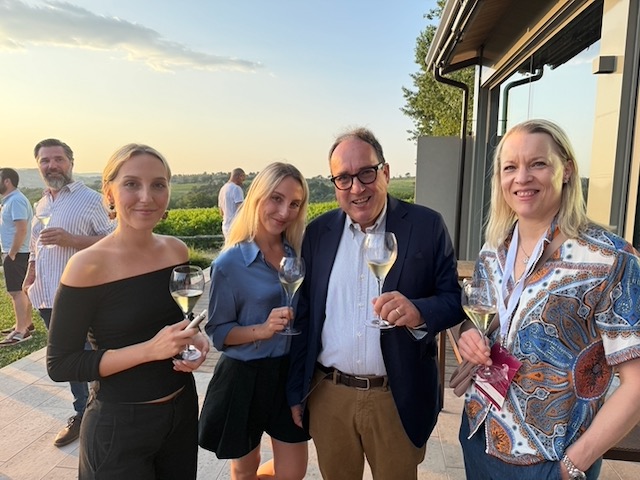
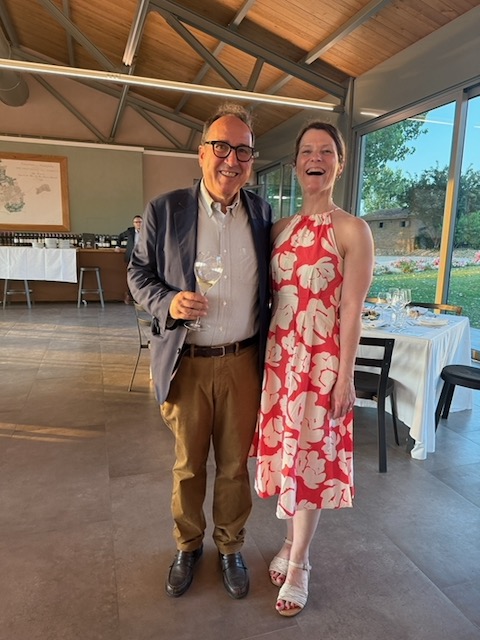
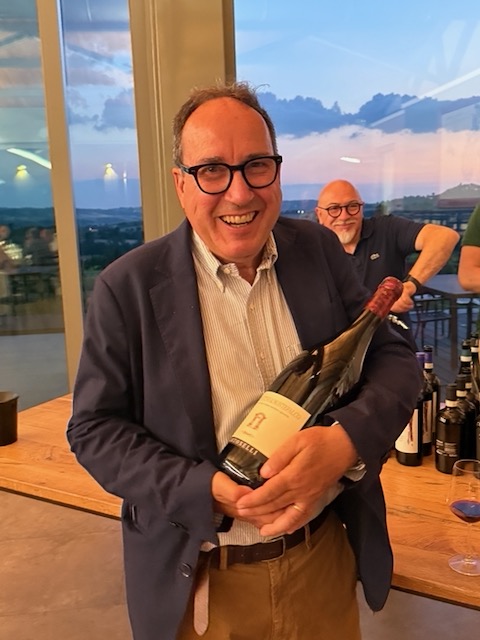
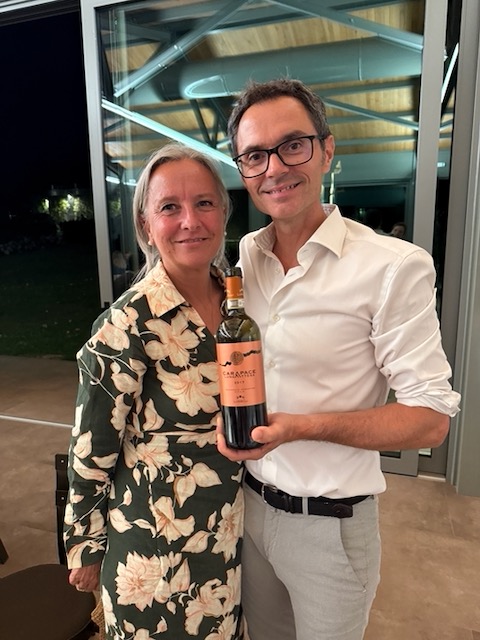
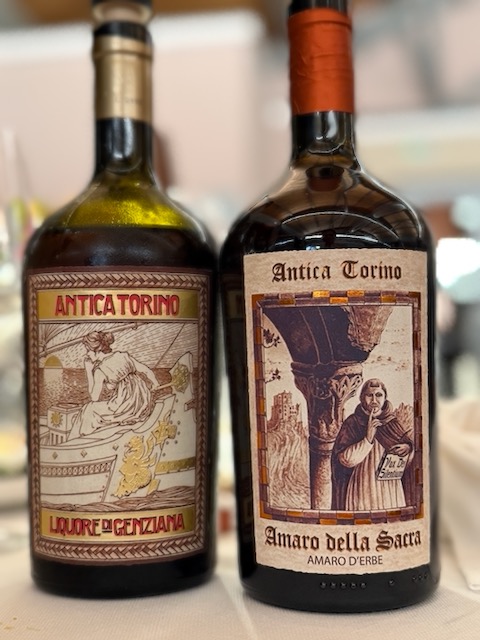
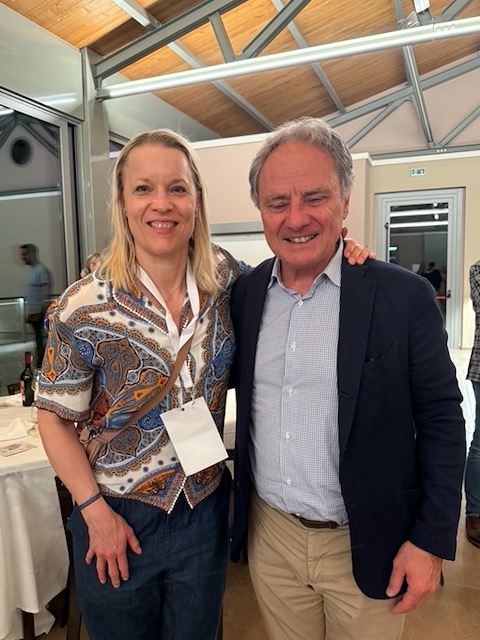
A late-evening soirée hosted by Antonelli along with the Lunelli, Cocco Ilaria, Valgangius and Romanelli families we shared delightful conversations, digestifs, shared stories, and laughter — felt like the trip’s most human chapter, where wine truly turned into memory.
Day 4: Women Leading In Wine
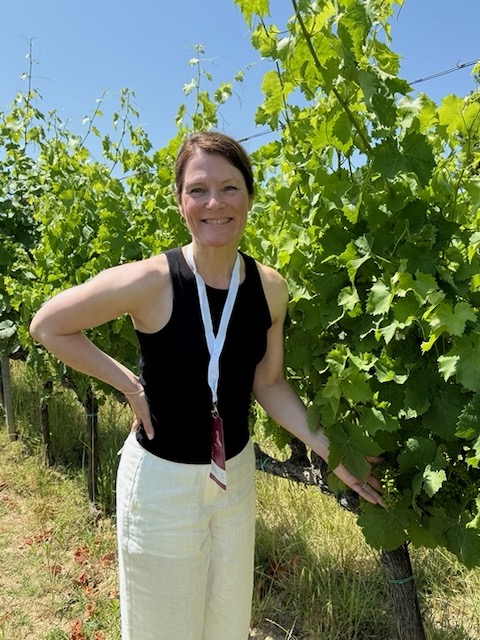
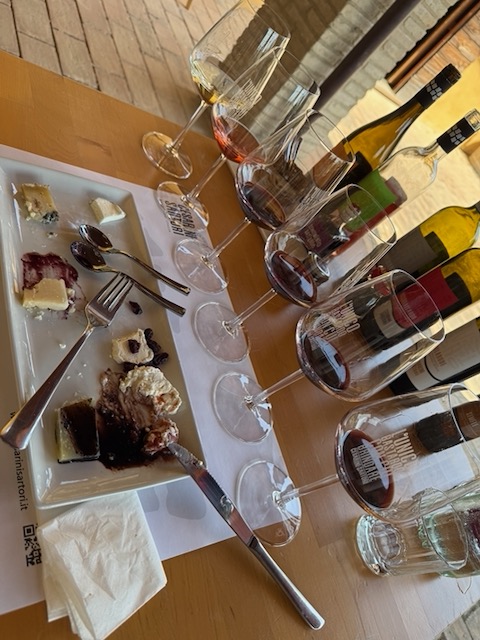
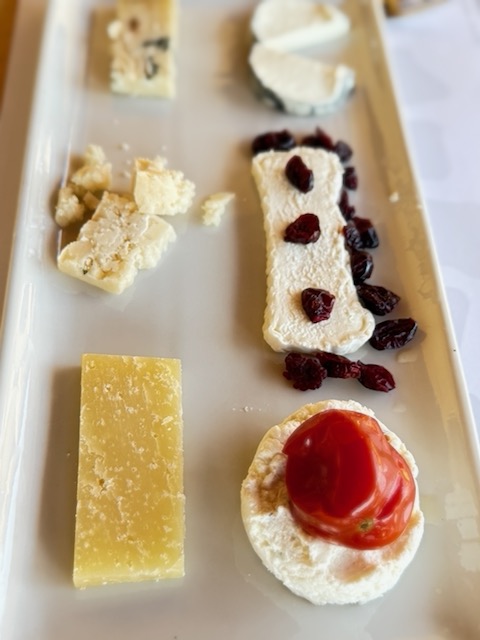
Cesarini Sartori in Gualdo Cattaneo charms with wines that feel like family stories in a glass—sisters who balance technology with tradition, both in the vineyard and in the winemaking with meticulous vineyard care, gentle drying for passito, slow ferments and thoughtful ageing in large barrels and barriques yield Sagrantino and Bastardo Rosso of approchable structure, saline minerality and layered complexity, where old‑world authenticity meets modern rigor and every sip invites you to linger.
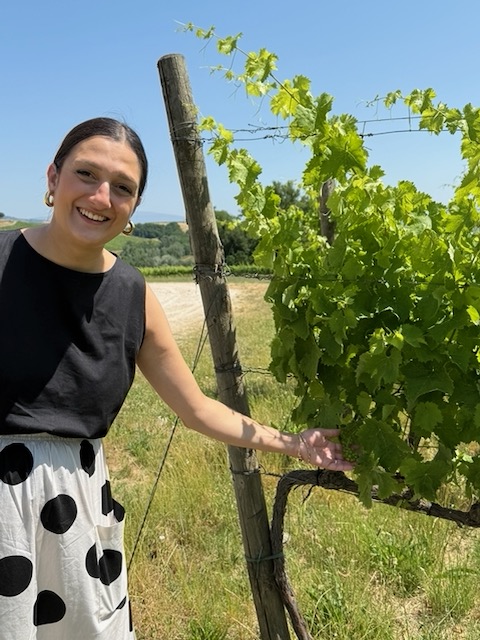
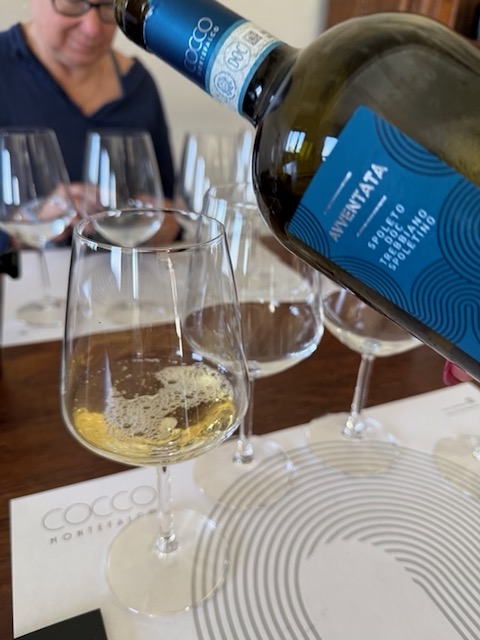
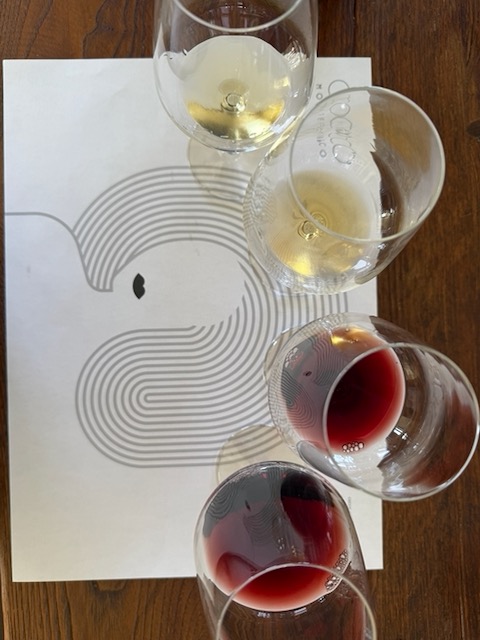
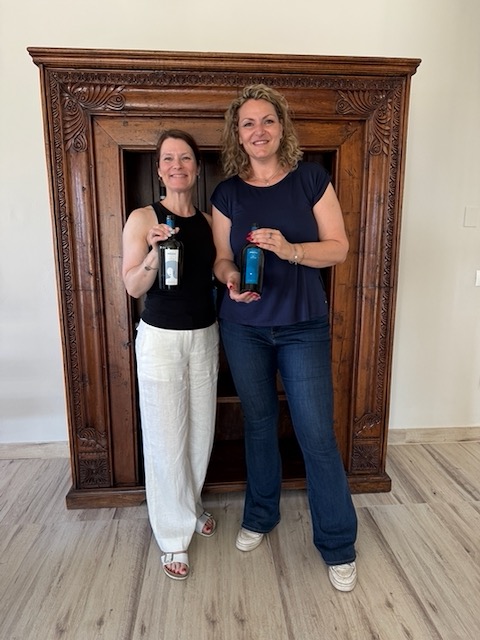
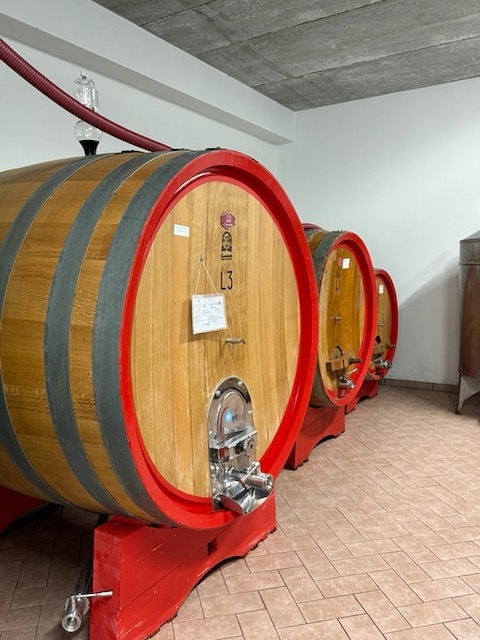
Cocco Ilaria is a woman-led jewel whose wines feel like personal letters from the land—Ilaria Cocco’s boutique estate blends heritage and fearless creativity, yielding Sagrantino and regional reds of refined elegance; delicate amphora and long maceration techniques, careful hand-harvests and small-batch attention produce wines that are sculpted yet soulful, each sip revealing a story of perseverance, place and a quietly audacious vision that begs you to pay attention and come back for more.
Why Montefalco Matters
Sagrantino forms the backbone — thick-skinned, powerfully tannic, and built for aging — but the region’s true beauty lies in its mosaic. Trebbiano Spoletino brings vertical white freshness and serious structure. Montefalco Rosso delivers Sangiovese-driven approachability. Microclimates and varied soils (clay, limestone, and more) across a compact map create remarkable diversity. The Consorzio’s “A Montefalco” vision — Assertive, Authentic, Ageable — perfectly captures the aspiration.
A Final Sip: What Stayed With Me
From small experimental lots to polished large-scale productions, amphora to exacting oak, high-toned Trebbiano Spoletino to Sagrantino that unfolds like a slow sunrise — the bottles were memorable. Yet the deepest impression wasn’t any single wine. It was the way growers speak about the land: patient, respectful conversations with vines, always open to new questions.
If you find your way to these Umbrian hills, slow down. Walk the rows at dusk. Inquire about the soil just over the hedge. Taste whites as serious as the reds. Share tables with producers whose lineages and quiet experiments make Montefalco more than a wine region — a place where history ferments into warm hospitality.
Grazie to the Consorzio Tutela Vini Montefalco and every host who opened their cellars and doors. Montefalco doesn’t just invite you in — it leaves its golden hush in your glass long after you’ve gone.
Salute to the green heart of Italy — where patience meets place, and every sip tells a story worth remembering. Family who poured patience into their glass. Salute: to long tannins, cool evenings, and the slow art of becoming.