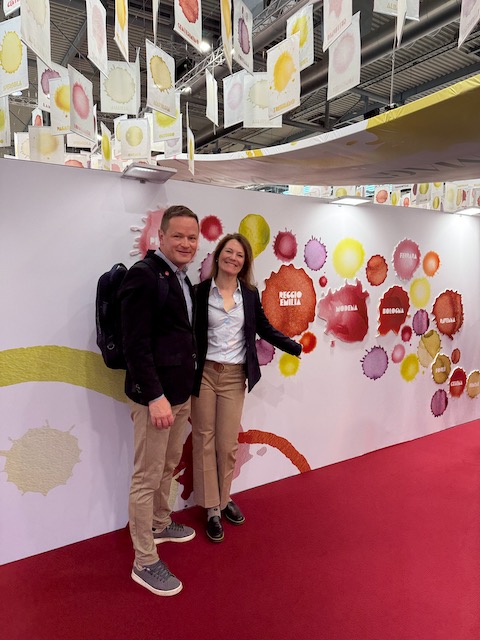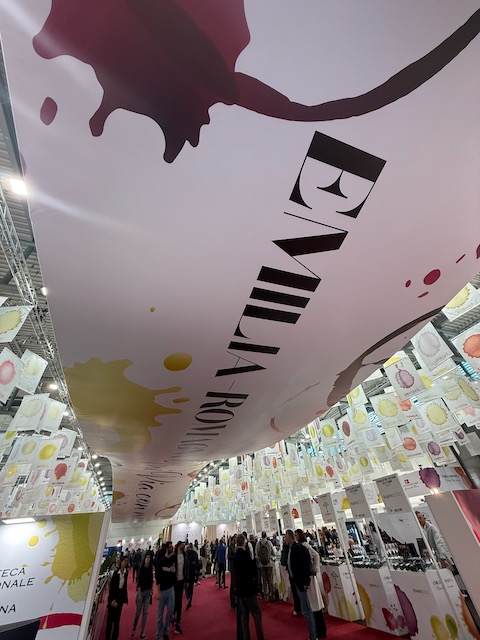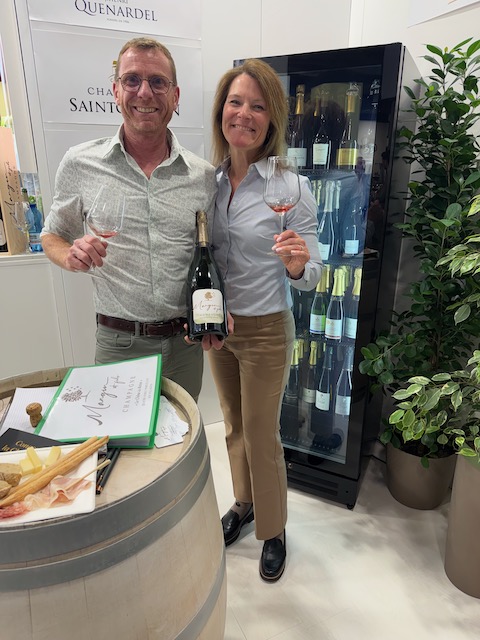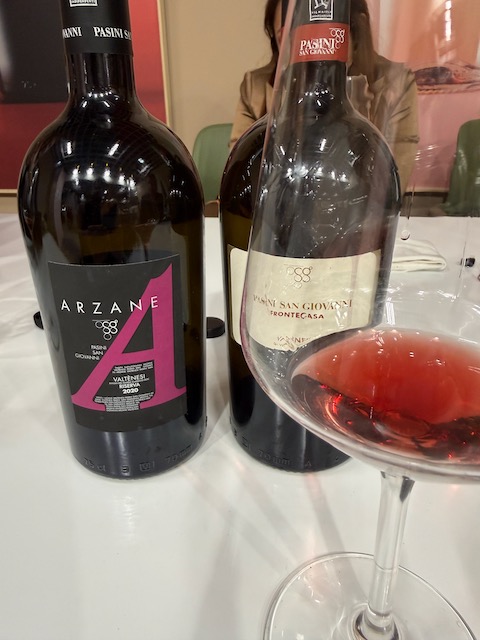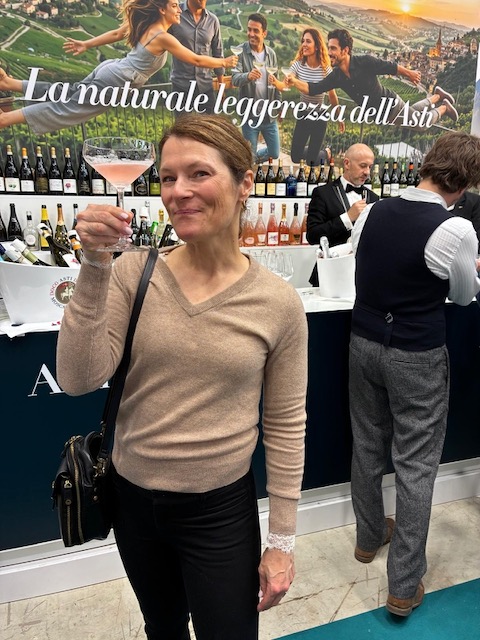
Four days. 4,000 producers. 100,000 visitors. One place: Verona.
Vinitaly 2026 wasn’t just a trade show — it was a heartbeat. Walking those halls felt like stepping into Italy’s vinous soul: a riot of aromas, a chorus of clinking glasses, and a thousand stories poured by the glass.
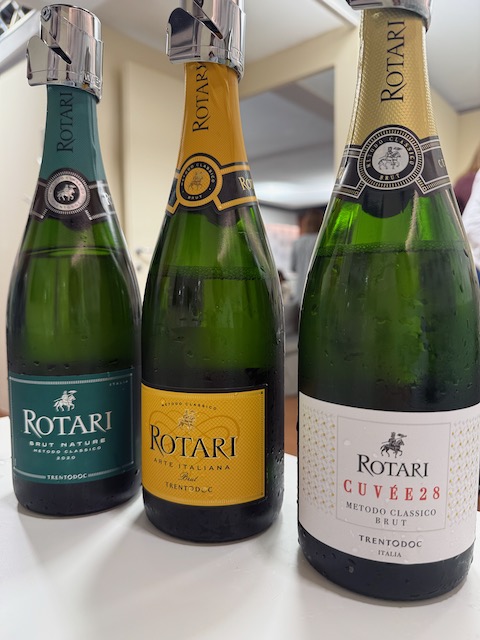
This year I followed the bubbles…and what a journey. From the precision of Franciacorta to the alpine grace of Trentodoc, each sparkling told its own regional tale:
- Franciacorta — precision, polish, and that luxurious mousse.
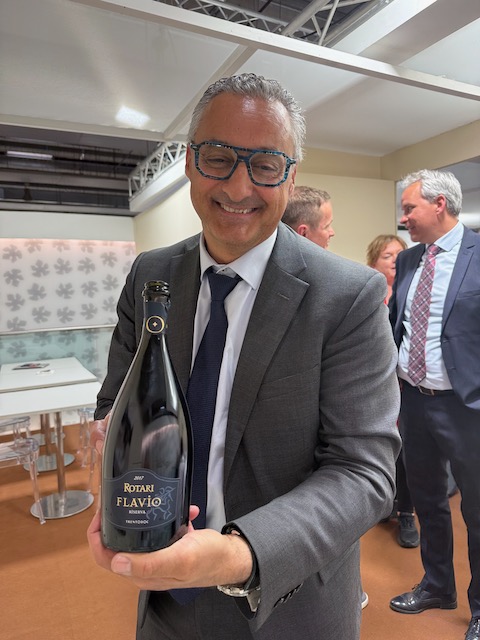
- Trentodoc — high-altitude finesse, crisp and elegant.
- Alta Langa — a rising star with refined, layered energy.
- Conegliano Valdobbiadene Prosecco Superiore — vibrant, joyful, and utterly charismatic.
- Asti Spumante — aromatic, lively, impossible to resist.
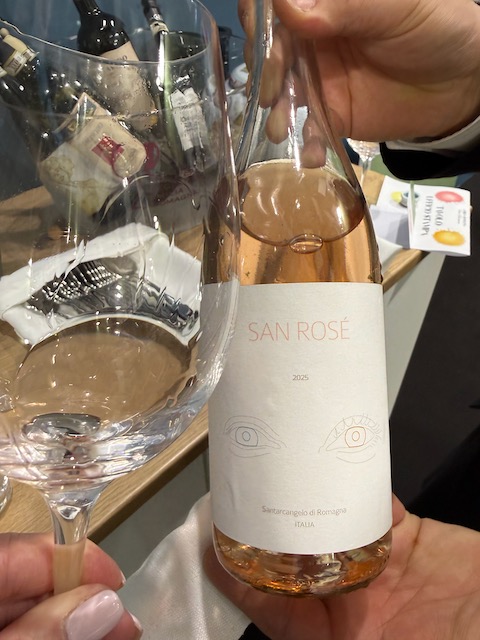
- Lambrusco (Emilia-Romagna) — fresh, juicy, wildly underrated.
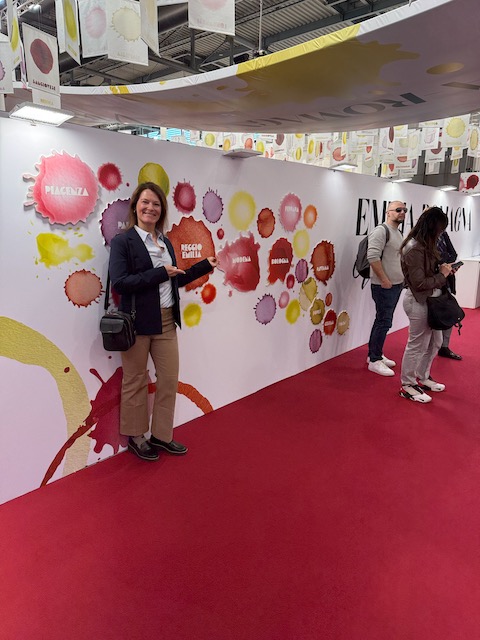
- Emilia-Romagna — a region that kept surprising me with range and depth beyond expectations.
- Lugana — Lake Garda’s gift: mineral-driven, crisp elegance.
With every sip my fascination with Italian sparkling wines deepened. The diversity is staggering — from method-driven classics to playful, irreverent frizzantes — and each bottle felt like a small map of its place.
Regional deep dives — why these bubbles matter:
Franciacorta
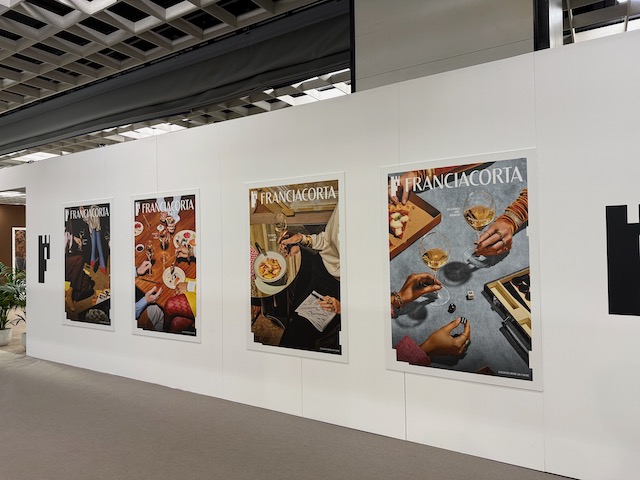
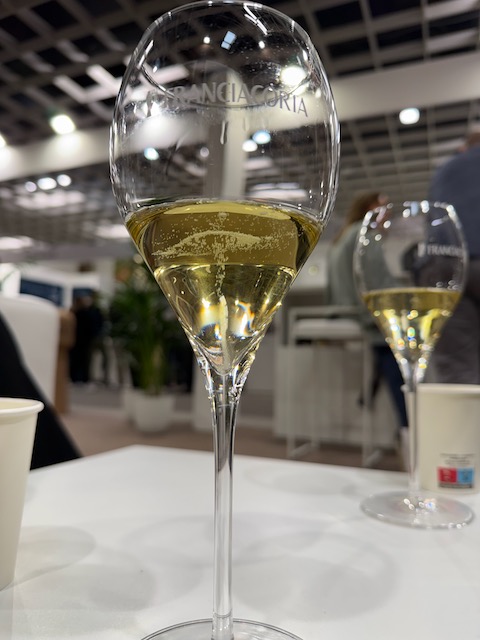
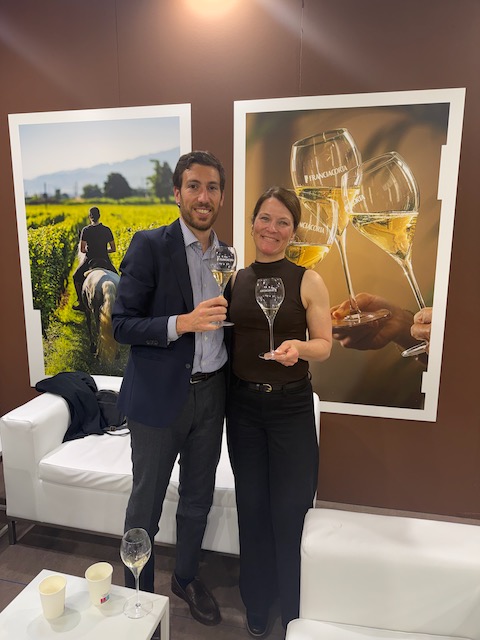
Franciacorta is Italy’s answer to classic sparkling elegance. Metodo Classico is king here, with Chardonnay, Pinot Nero and Pinot Bianco aged long on lees. The limestone-rich soils and meticulous cellar work yield a creamy mousse, fine bead, and those savory, brioche autolytic notes. These wines combine Champagne-level finesse with Lombardy’s precision — textured, complex, and built for thoughtful sipping.
Trentodoc
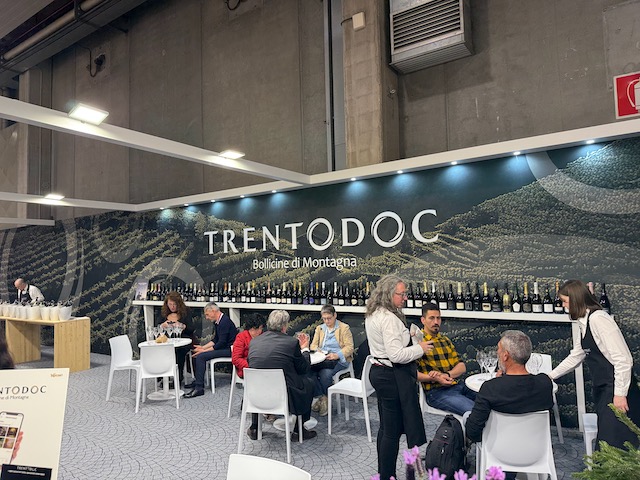
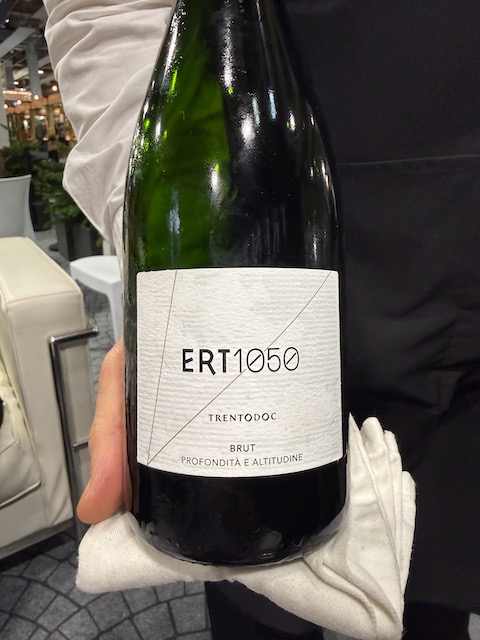
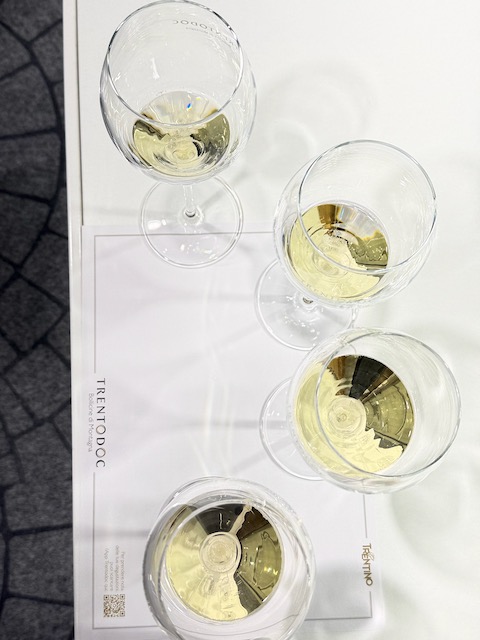
High altitude shapes Trentodoc’s personality. Vineyards on steep, cool Trentino slopes produce Metodo Classico wines—usually Chardonnay and Pinot Noir—with razor-fresh acidity, crystalline minerality, and an aromatic lift from cold nights. The result is tension and purity: serious, food-friendly sparklers with alpine clarity.
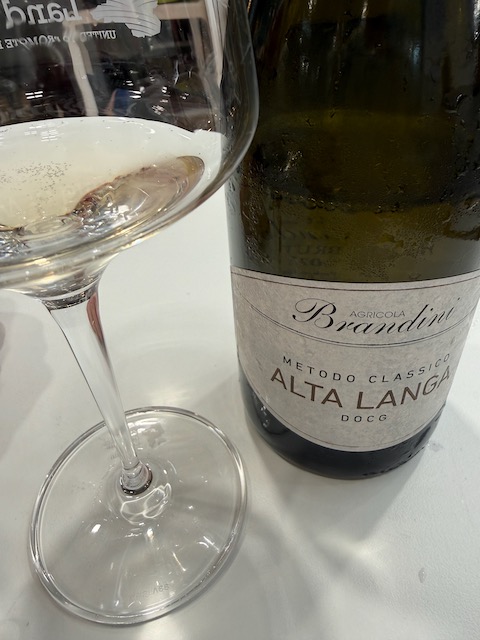
Alta Langa
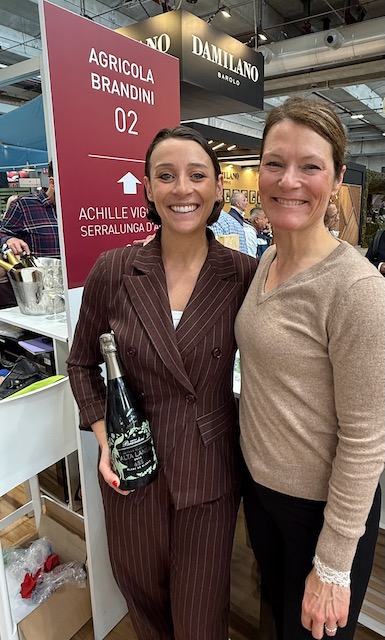
Alta Langa is a rising star in Piedmont. Predominantly Pinot Noir and Chardonnay, these Metodo Classico bottles come from higher, cooler hills, giving linear energy, red-fruited depth, and chalky structure. Alta Langa’s charm is its marriage of Piedmontese nuance (think subtle tannic structure and savory complexity) with classic sparkling technique.
Conegliano Valdobbiadene Prosecco Superiore
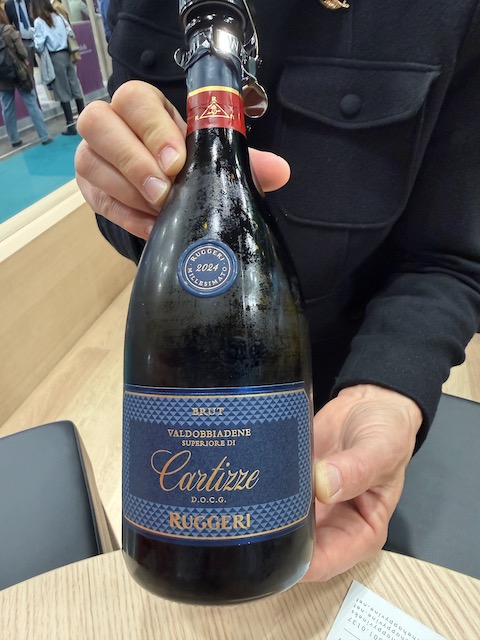
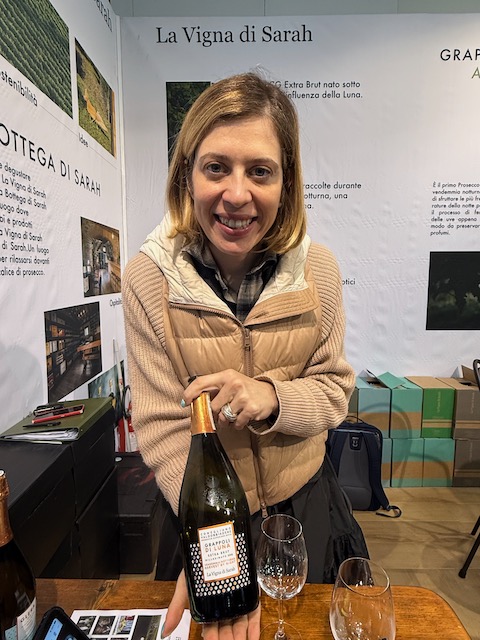
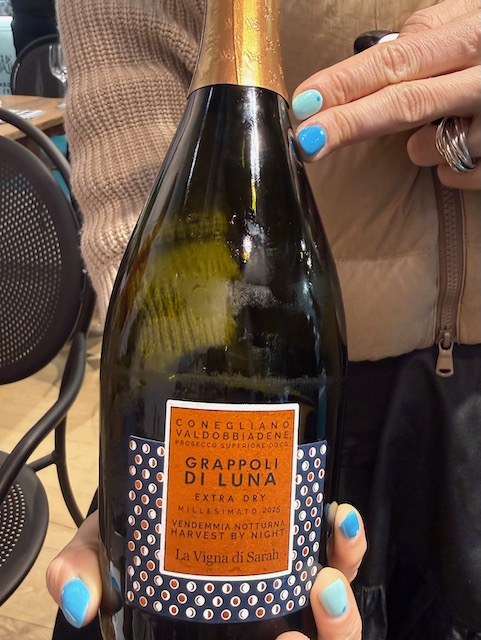
Here the story is Glera plus place. Steep, terraced hills between Conegliano and Valdobbiadene yield Prosecco Superiore with exceptional aromatic lift, bright acidity, and surprising textural depth. Mostly made in the Charmat/autoclave method for freshness and florality, top sites (Rive, Cartizze) produce Proseccos with concentration and mineral texture that defy the stereotype of simple, one-note fizz. Light, vivacious, and endlessly sociable — but with real terroir-driven complexity at the top end.
Asti Spumante
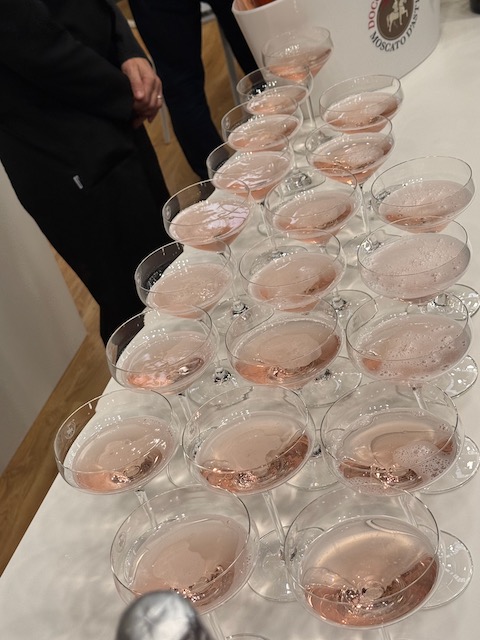
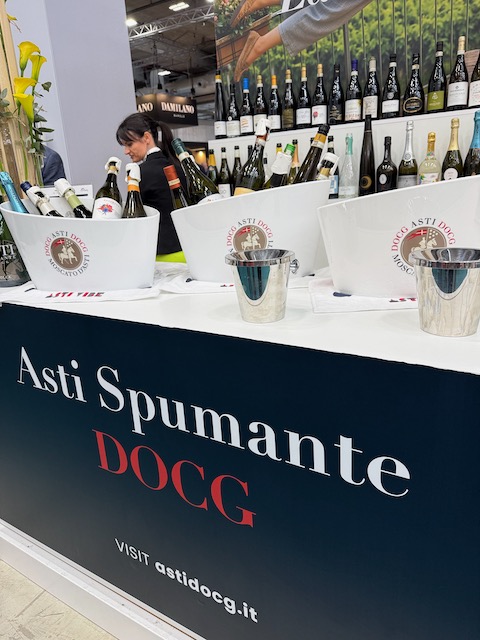
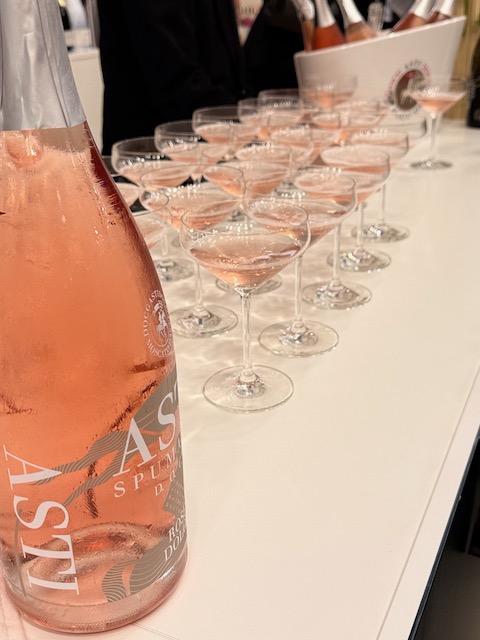
Asti’s signature is Moscato Bianco: intensely aromatic, floral, and perfumed. Usually produced in tank to preserve perfume and primary fruit, Asti Spumante ranges from gently sparkling to fully effervescent, often with residual sweetness balanced by zesty acidity. It’s a joyful, aromatic style that pairs beautifully with fruit desserts, spicy cuisines, or any celebratory moment that calls for buoyant charm.
Lambrusco (styles and varieties)
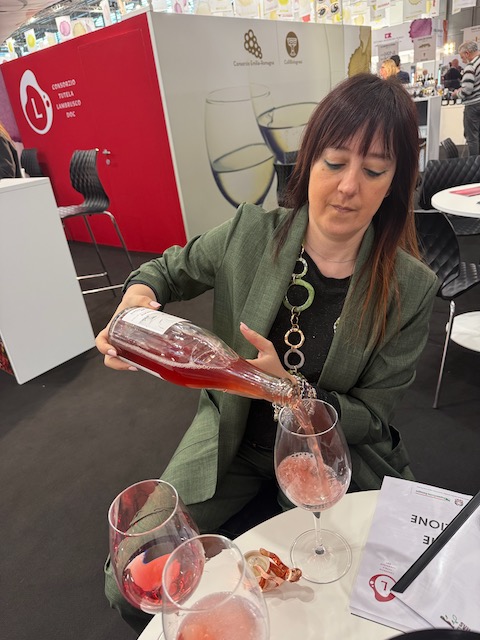
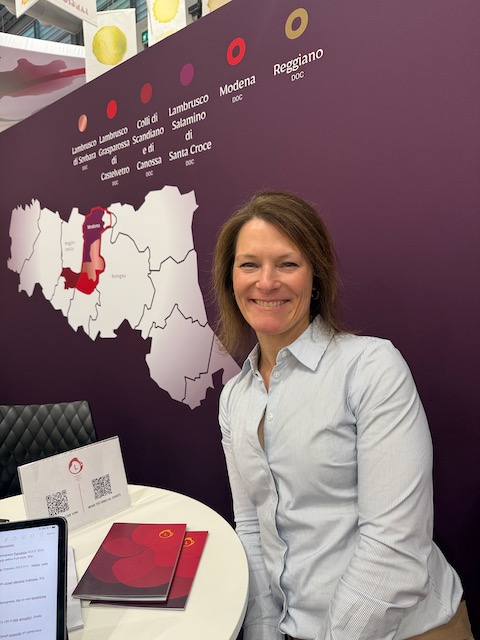
Lambrusco is many things across Modena and Reggio Emilia — lively, savory, and utterly food-friendly. Key varieties and styles:
- Sorbara: delicate, floral, high-toned, with energetic acidity and lifted red-berry perfume.
- Grasparossa di Castelvetro: darker and more tannic, offering ripe plum, spice, and savory backbone—perfect with rich charcuterie.
- Scandiano e di Canossa: fragrant and aromatic, showing red fruit, herbs, and rustic charm.
- Salamino di Santa Croce: rounder and plush, with juicy berry fruit and softer tannins—approachable and versatile.
Across Modena and Reggiano you’ll find frizzante, off-dry, bone-dry, and even ageworthy Lambruscos. The region’s carbonic maceration and modern techniques produce crunchy fruit, savory lift, and refreshing fizz — ideal with prosciutto, tortellini, and the region’s hearty dishes.
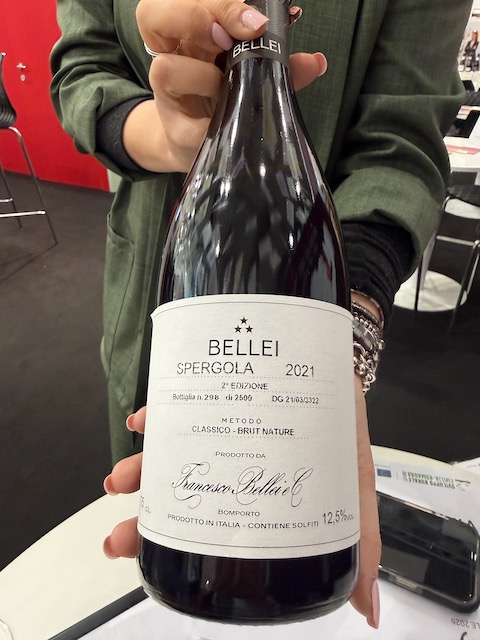
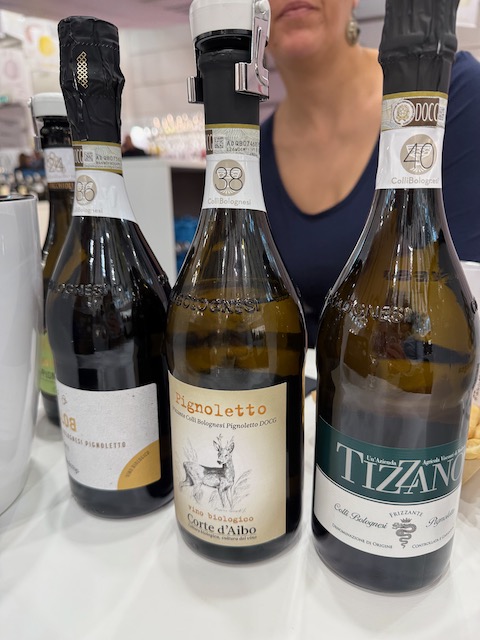
Emilia-Romagna (more than Lambrusco: Pignoletto DOCG, Spergola, and why)
Emilia-Romagna’s sparkling story goes well beyond Lambrusco. Pignoletto DOCG delivers fresh, floral, citrus-driven wines often made as lively frizzante or refined Metodo Classico — crisp, elegant, and fantastically food-friendly. Spergola, an ancient native variety, has been revived into fragrant sparklers with crunchy orchard fruit, bright acidity, and saline tension. Alongside these, producers experiment with Metodo Classico and aromatic whites, showcasing a region that prizes approachability, vibrancy, and perfect pairing with its bold culinary tradition.
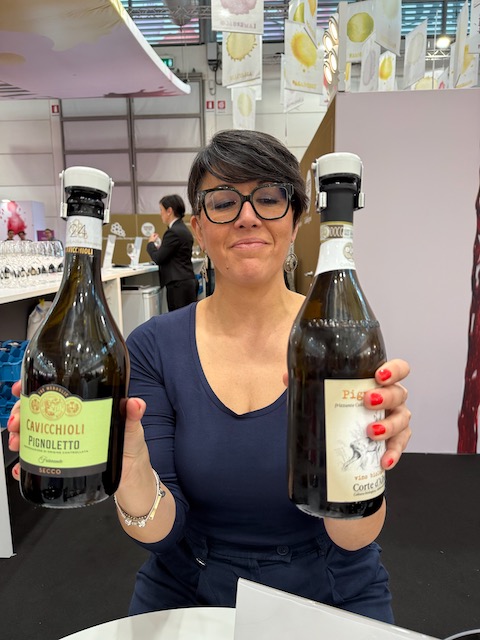
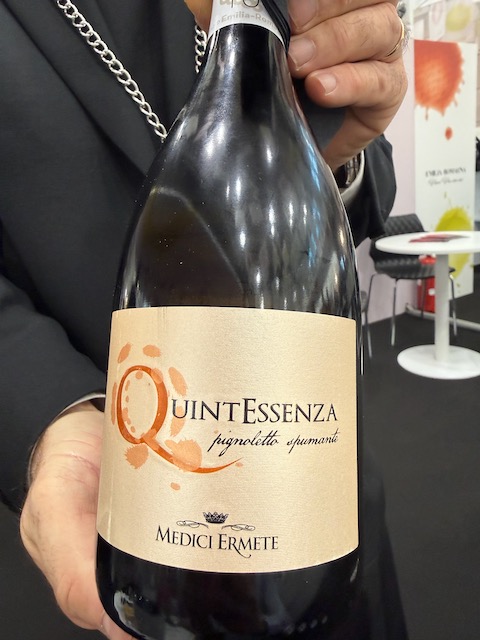
Lugana
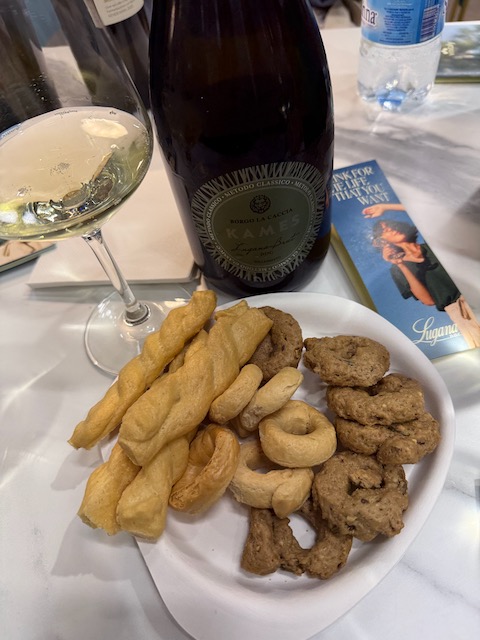
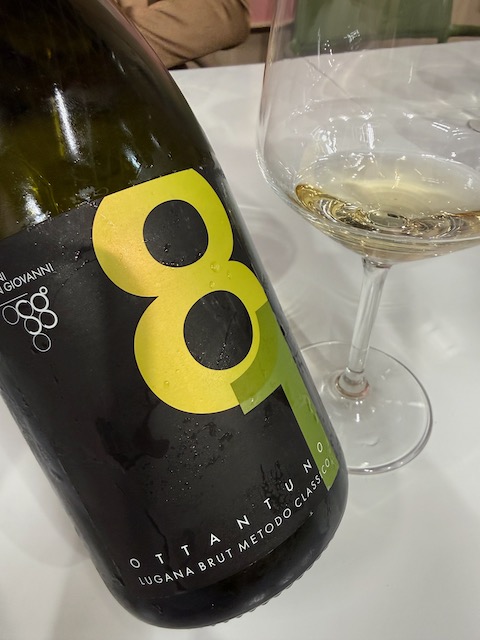
Lugana’s secret is Turbiana (Trebbiano di Lugana) and Lake Garda’s moderating influence. Sparkling Lugana (frizzante or spumante) emphasizes crystalline citrus, white flowers, and mineral nerve, often with saline lift and a savory core. The best examples balance freshness and weight — refined, seafood-ready bubbles with a strong sense of place.
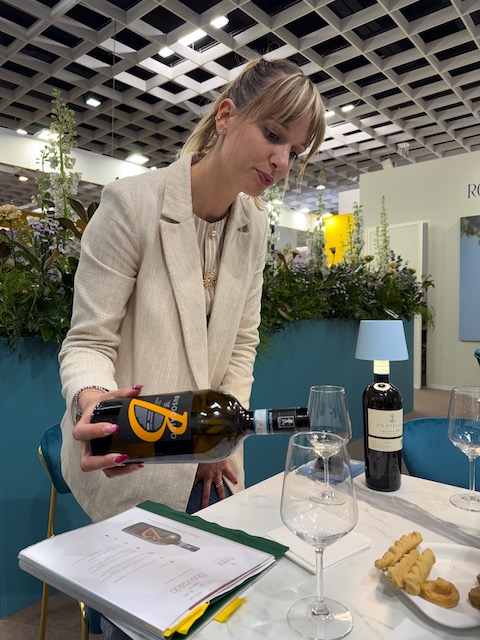
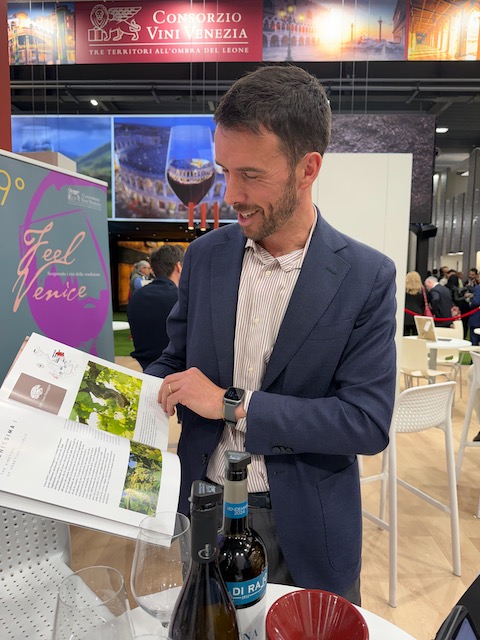
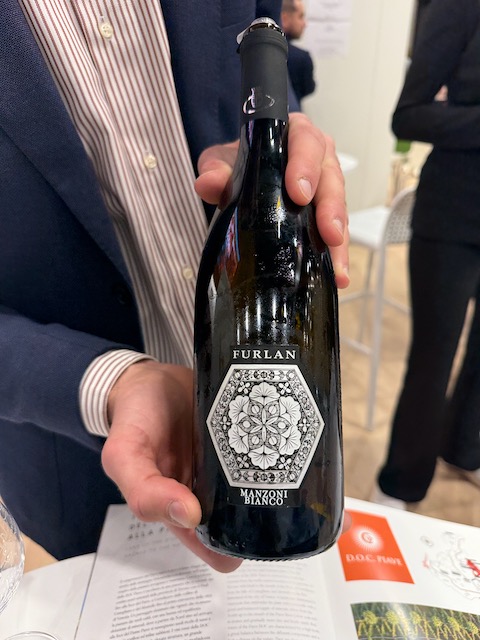
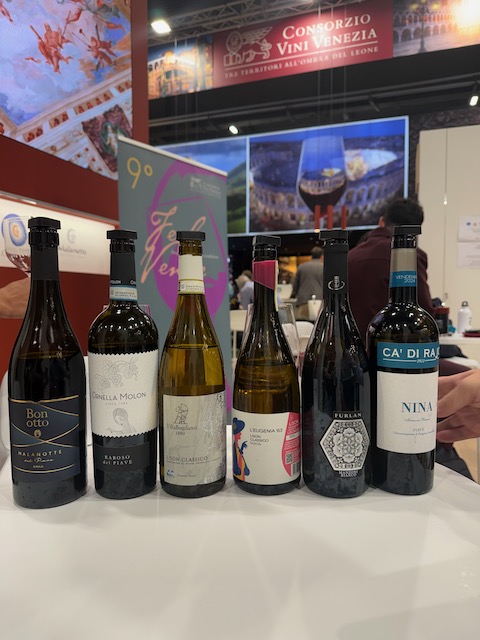
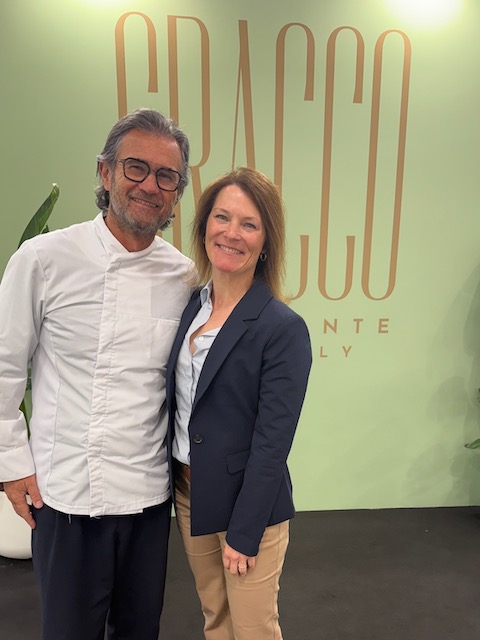
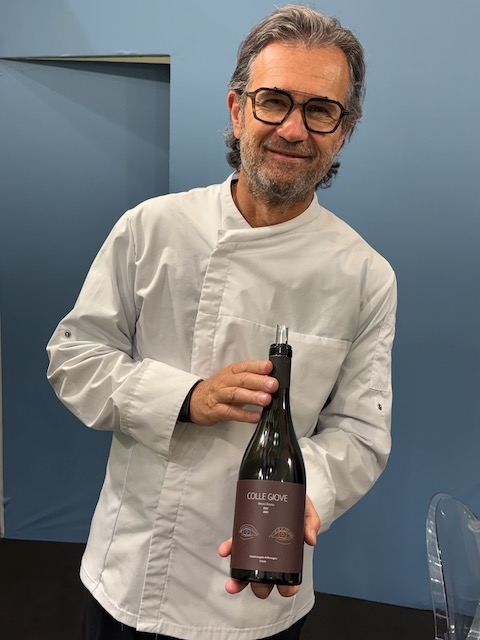
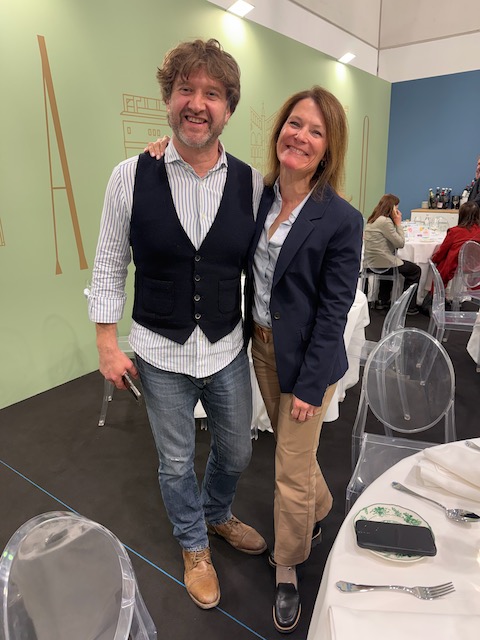
But Vinitaly is more than bottles on display. It’s conversations that stay with you. I spent time with passionate producers from Campania ( Terre Stregate and Villa Matilde Avallone), dug further into the identity of Vini Venezia, reunited with old friends, and made new ones. One standout moment: a warm, insightful interview with the effortlessly brilliant Chef Carlo Cracco — a reminder that food and wine here are inseparable threads in a cultural tapestry.
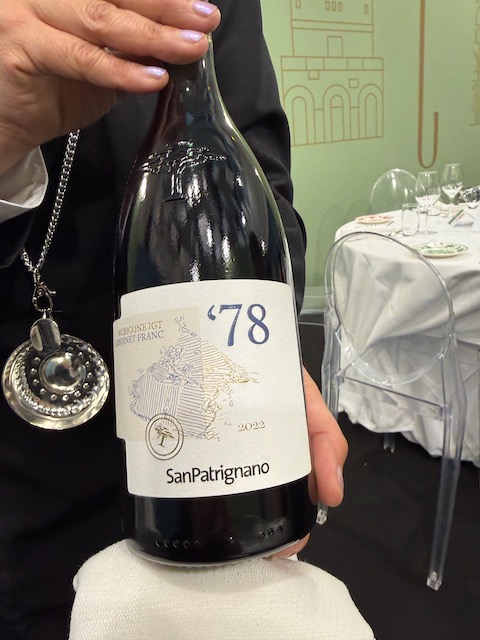
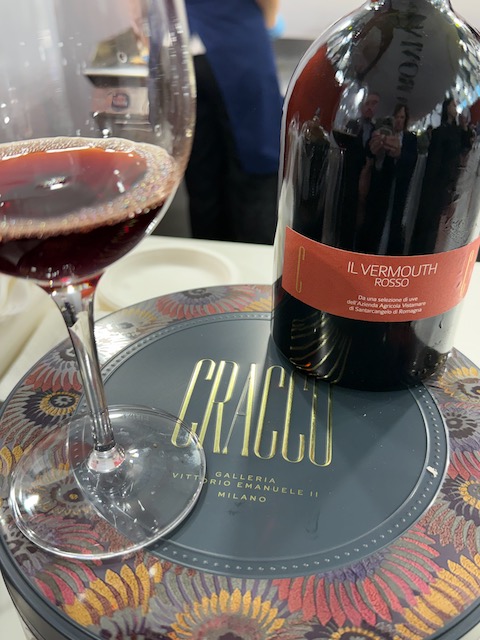
Vinitaly’s overwhelmingly Italian spirit is its biggest strength. There’s an authenticity and intensity to the event — business, tastings, energy, movement — that you don’t just observe. You feel it in your bones.
If you came away with tasting notes and business cards, great. If you left with stories, new friendships, and a renewed love for place-driven wine, even better.
Who’s ready for 2027? I know I am. Raise a glass — and let the happy vines keep growing. 🥂✨