Ian D’Agata is the Indiana Jones of Italian wine—a tireless detective who’s spent over 30 years uncovering the magic of Italy’s native grapes and terroirs with scientific precision and infectious enthusiasm.
With Sicilian roots and a Toronto upbringing, this former medical doctor swapped scrubs for stemware decades ago, resurrecting forgotten varieties and mapping Italy’s diverse landscapes like no one else. He’s earned top honors, including Best Young Italian Wine Journalist (2007) and accolades for his landmark books: the essential Native Wine Grapes of Italy, Italy’s Native Wine Grape Terroirs, the award-winning Italian Wine Terroirs (Best European Wine Book 2025), and the forthcoming Barbaresco Terroir (spring 2026). He’s lectured worldwide, directed the International Wine Academy in Rome, and curated tastings for Vinitaly and beyond. His books are my essential encyclopedias on everything Italy’s native grapes. They have been instrumental in my WSET Diploma studies and remain my go-to references for every article I’ve written.
Now based in Shanghai, he leads Ian D’Agata Wine Culture, including the Ian D’Agata Wine Review, Wine Academy, and a global masterclass series. Through these by-invitation-only events, he delivers educational, entertaining deep dives into Italian wines—empowering sommeliers, writers, importers, and enthusiasts alike.
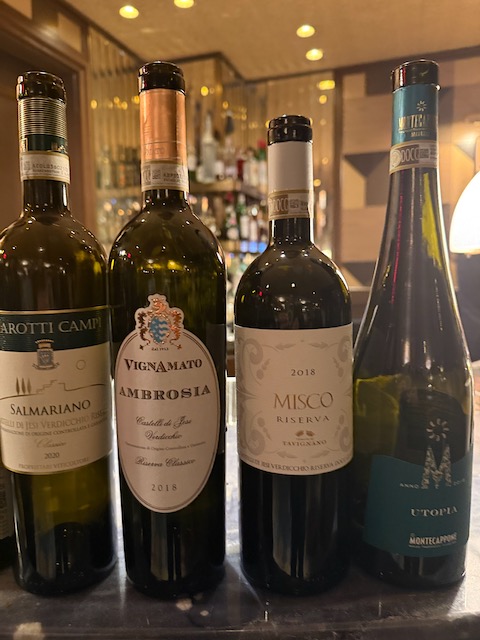
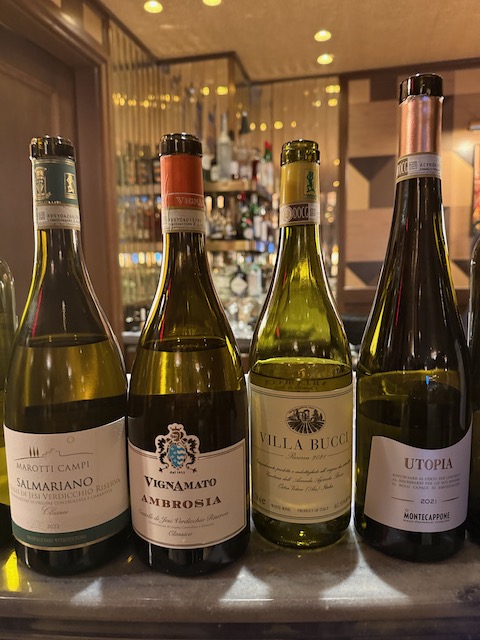
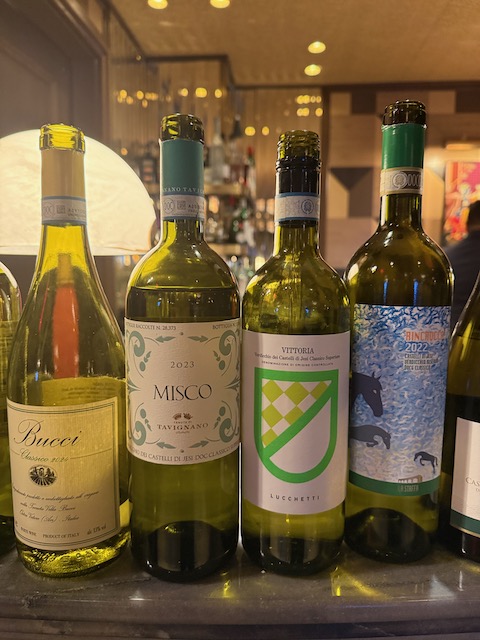
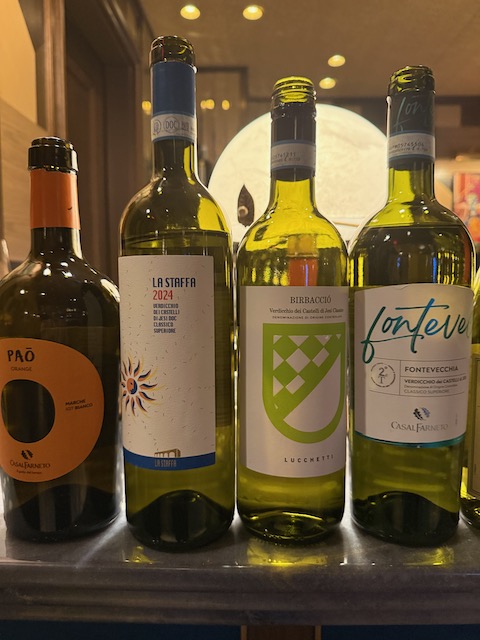
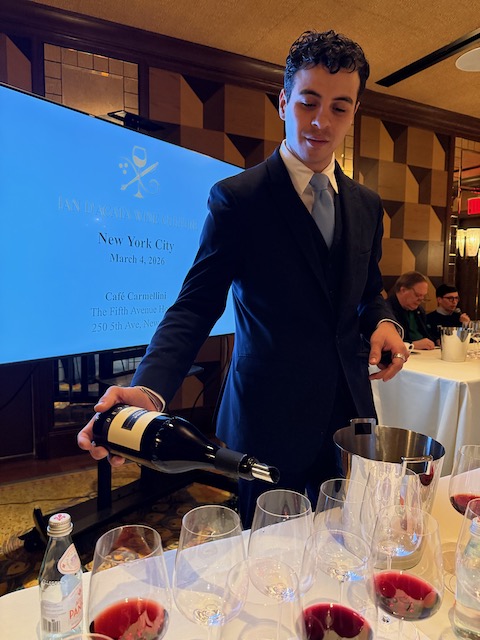
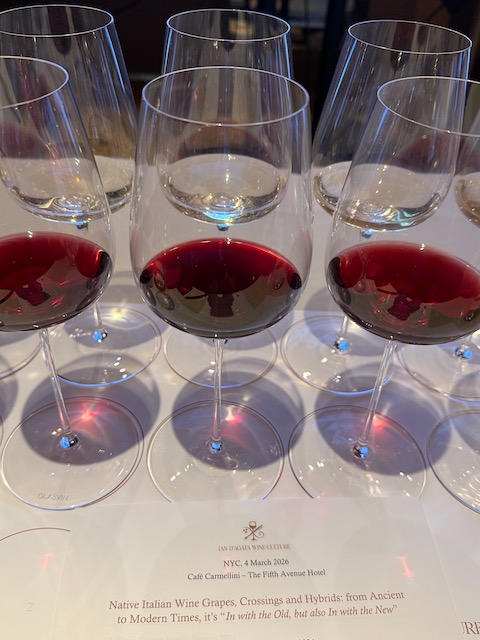
A recent highlight was the Ian D’Agata Wine Culture Show in NYC on March 4, 2026, at Café Carmellini (The Fifth Avenue Hotel). The limited seating event featured three masterclasses on native grapes and hybrids, trailblazing winemakers Cristiana Tiberio and Sabrina Tedeschi, and the greatness of Verdicchio from Castelli di Jesi—plus wines from over 20 producers. Attendees tasted a whopping 20 wines in the first class, 12 in the second, and 16 Verdicchio stunners in the third. Here’s the full lineup with punchy tasting notes from the event—fresh, vibrant sips that showcased Italy’s wine wizardry:
Masterclass 1: Native Italian Wine Grapes, Crossings and Hybrids: from Ancient to Modern Times – “In with the Old, but also In with the New”
Ian hand-picked a killer lineup for the first masterclass: pure native Italian grapes, intriguing crossings, and bold hybrids to ignite your curiosity. From the regal depths of Nebbiolo to the juicy powerhouse Barbera & vibrant soul of Sangiovese, the aromatic rush of Moscato, the Sicilian crispness of Grillo and Catarratto, the elegant twist of Riesling, the rustic edge of Freisa—and a few wild-card hybrids thrown in to blow your mind.
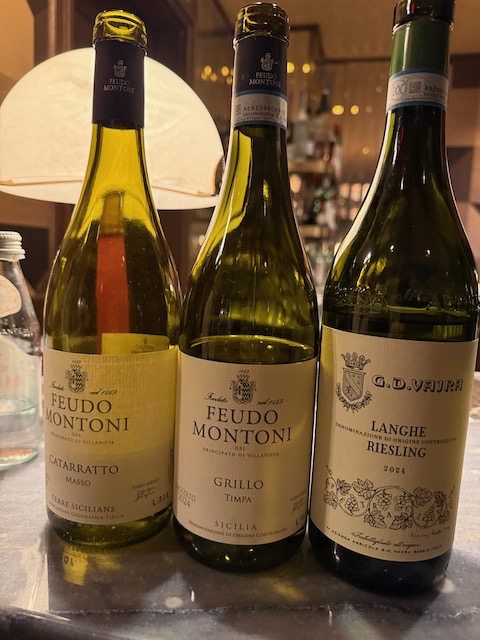
1. Feudo Montoni Catarratto Terre Siciliane “Masso” 2024: Zesty lemon zest meets peachy almond crunch—crisp, mineral-driven sunshine in a glass. A juicy little number, fresh, nice attack with a full middle.
2. Feudo Montoni Grillo “Timpa” 2024: Grillo has a pschyzo type of personality. Tropical pineapple punch with a salty sea breeze—vibrant and utterly addictive.
3. G.D. Vajra Langhe Riesling “Pétracine” 2024: Petrol-kissed apples and lime—racy acidity that dances on the palate. He was the first to plant Langhe in 1985, so round in stone fruit with a nice steely grip.
4. Vigneti Vinessa “Divento” 2023: Located at the foothills of Lugana, it has an alpine microclimate with strong winds (aka Diveneto). Leonardo only grows hybrids, 2 hectares worth. This is a blend of Johanniter 50% and Bronner 50%Floral jasmine and green pear, cumin seeds, tat apple, bitter greens, rounder and more aromatic—elegant, evolving layers like a wine whisper.
5. Vigneti Vinessa “Divento” 2022: Riper stone fruit with herbal twists—deeper, more contemplative than its younger sib.
6. Vigneti Vinessa “Fruscìo” 2023: This is their first vintage. This wine is a blend of Prior (a Pinot Noir hybrid) and Cabernet Cortis (a Cabernet Franc hybrid).A whispery cross similar to a cross of Pinot Noir and Cabernet Franc.
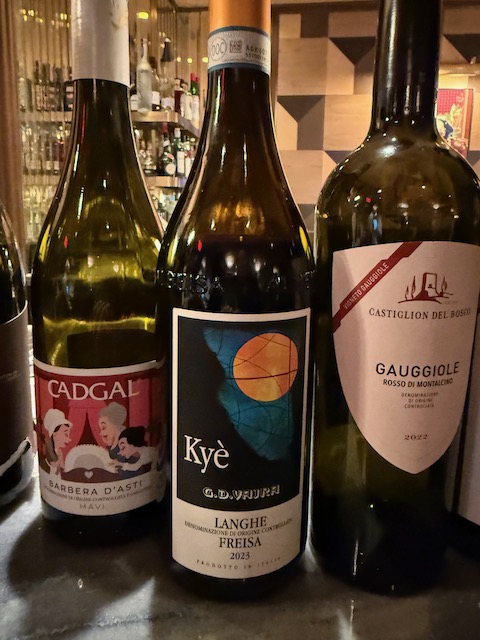
7. Ca’ d’ Gal Barbera d’Asti “Mavi” 2023: Juicy cherry bomb with bright acid—playful, food-friendly firecracker. Juicy, fresh and nice.
8. G.D. Vajra Langhe Freisa “Kyè” 2023: Wild strawberry and peppery spice—lively, tannic grip that begs for pizza. Smoky edge, mastered tannins, could age forever, so pretty, love it!
9. Castiglion del Bosco Rosso di Montalcino “Gauggiole” 2022: This wine comes from a rare subsection of Montalcino grown in blue clay- it’s dainty, delicate Sangiovese charm with red berry elegance—silky, approachable Tuscan hug.
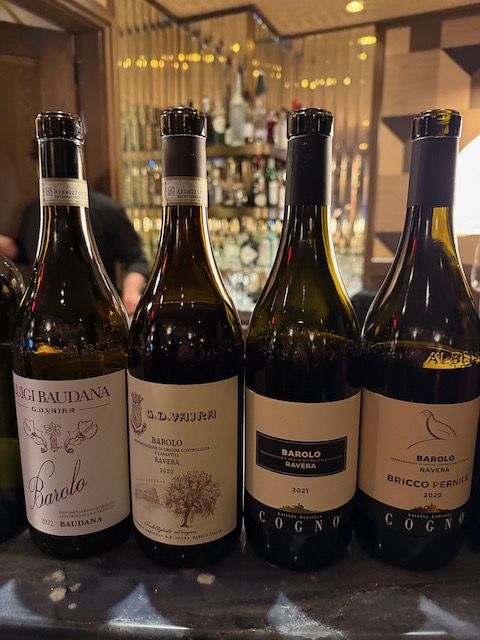
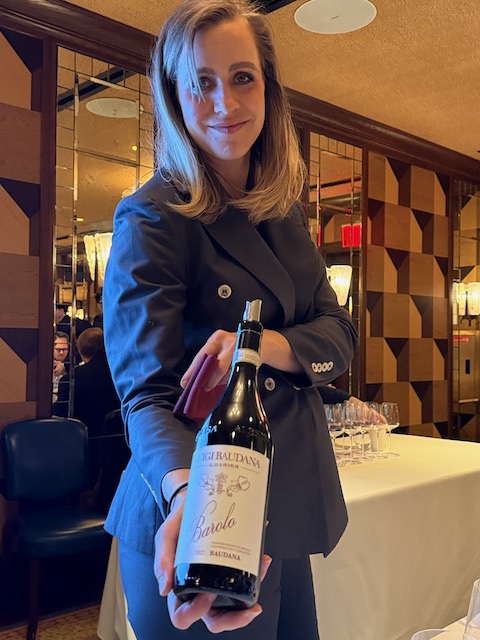
10. Luigi Baudana Barolo “Baudana” 2022: This is a Serralunga Cru, blue grey marl soil, use decadent and sultry, sexy cherry beauty, Nebbiolo power: rose petals, tar, and firm tannins—young but promising depth. Loved it!
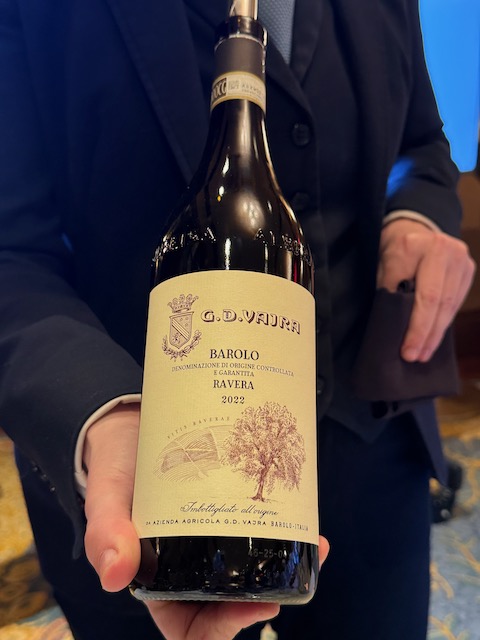
11. G.D. Vajra Barolo Ravera 2022: Gorgeous wine full of earthy cherries, violet and rose petals and licorice—structured, with a long, haunting finish. Pure precision, daintier, penetrating in its perfume, juicy sweet fruit. Incredible.
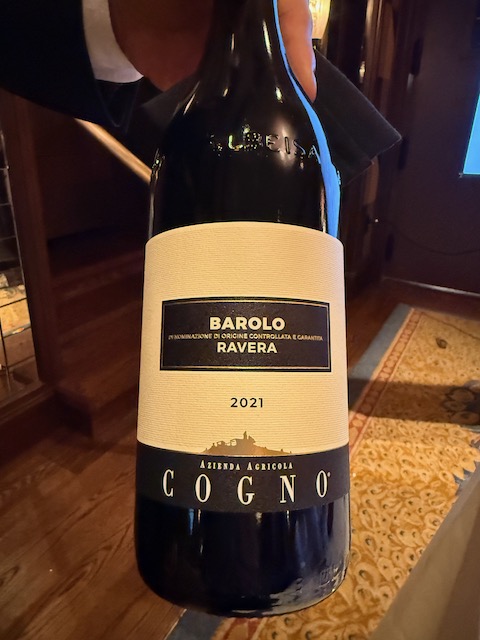
12. Elvio Cogno Barolo Ravera 2021: More power, structured Cru, beautiful balsamic licorice notes over dark fruit—intense, age-worthy beast.
13. Elvio Cogno Barolo Ravera “Bricco Pernice” 2020: More elegant cur, so tippy toe in its powered truffle and violet elegance—refined power that evolves beautifully. Sweet fruit but less than the Ravera 2021. Stunning.
14. Feudo Montoni Nero D’Avola Riserva “Vrucara” 2020: Plummy depth with chocolate hints—bold Sicilian soul, velvety smooth. Menthol instance, tons of violet, elegant 70 year old vines, so pretty in its power, remarkable.
15. Castiglion del Bosco Brunello di Montalcino 2021: Leather, blood orange and red fruit symphony—robust, with Sangiovese’s signature grip. A pretty wine with muscles. Glides down the palate with flinty ease.
16. Castiglion del Bosco Brunello di Montalcino “Campo del Drago” 2021: Intense black cherry core—complex, terroir-driven masterpiece. This wine has more stuffing to it, elegance lingers.
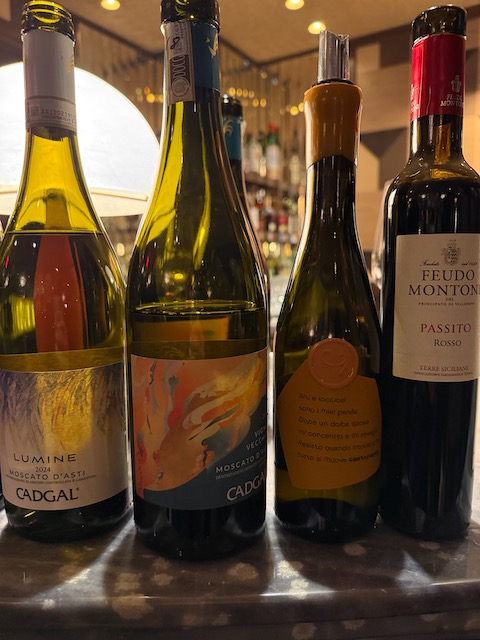
17. Ca’ d’ Gal Moscato d’Asti “Lumine” 2024: Fizzy peach and floral fizz—sweet, low-alcohol delight. It is a fix that is so concentrated that you want to eat its prescence, creamy and intense, mouthwatering.
18. Ca’ d’ Gal Moscato d’Asti “Vigna Vecchia” 2019: Honeyed apricot with nutty age—evolved, luxurious sparkle.
19. Vigneti Vinessa “Controvento” 2024: Dense wine, mind bending acidity, easy to drink, wind-swept herbs and citrus—rebellious, refreshing twist.
20. Feudo Montoni Passito Rosso: Dried fig, floral, toffee and raisin richness—sweet, sticky finale with balanced acid.
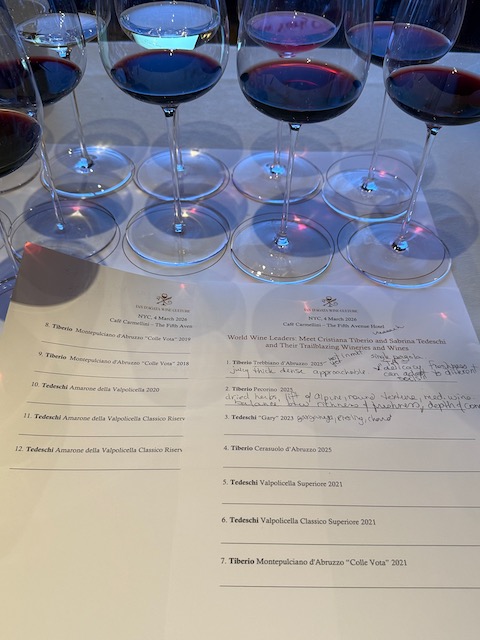
Masterclass 2: World Wine Leaders: Meet Cristiana Tiberio and Sabrina Tedeschi and Their Trailblazing Wineries and Wines
Spotlighting two powerhouse women shaking up Italian wine with innovation rooted in tradition:
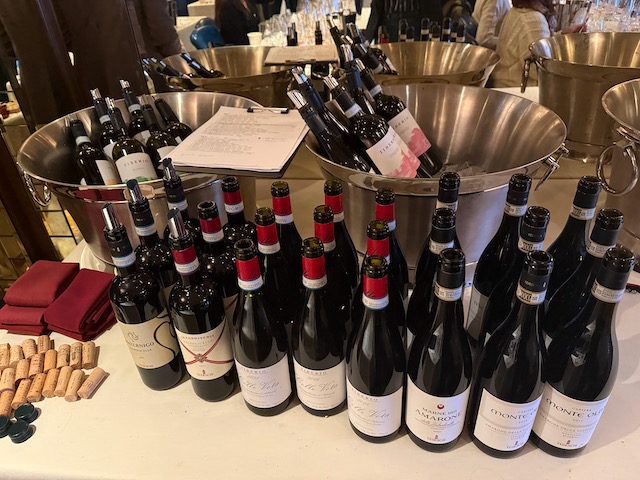
Cristiana Tiberio is the dynamic winemaker and co-owner of Agricola Tiberio in Abruzzo, where she’s been calling the shots since 2011. With a scientific edge honed from training across Europe (including Burgundy), she champions native grapes like Trebbiano Abruzzese and Pecorino, adapting to climate change while crafting pure, terroir-driven wines that put Abruzzo on the global map. Agricola Tiberio, founded in 2000 by her father Riccardo after discovering ancient Trebbiano vines in Cugnoli, spans 30 hectares at 350 meters elevation. This family estate focuses on indigenous varieties, producing vibrant whites and reds that capture Abruzzo’s rugged charm—think old-vine magic meets modern precision. “The identity of this grape has not yet been fully understood. I want the most respectful approach for this grape.”
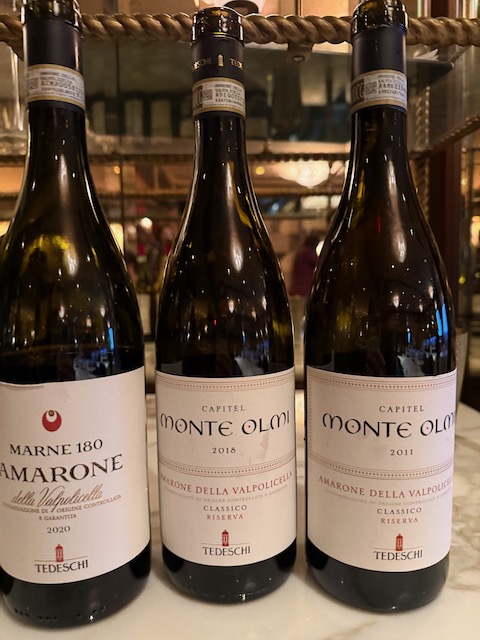
Sabrina Tedeschi (full name Maria Sabrina) is the marketing dynamo and fifth-generation force at Tedeschi winery in Valpolicella, also serving as President of the Historic Families association—one of Italy’s top women in wine. Armed with a Food Technology degree from Milan and Burgundy experience, she blends tradition with forward-thinking to elevate the family’s iconic Amarones and Valpolicellas. Tedeschi Winery, established in 1824 with roots tracing back four centuries in Valpolicella Classico, pioneered cru wines like the legendary Monte Olmi Amarone in 1964 under her father Lorenzo. This historic estate crafts powerful, elegant reds from native grapes, emphasizing sustainability and the unique terroir of Veneto’s hills.
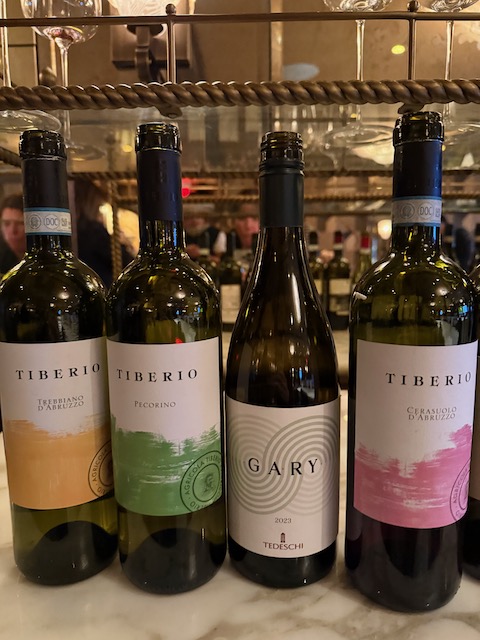
1. Tiberio Trebbiano d’Abruzzo 2025: Clean citrus and almond—pure, precise Abruzzo freshness. Cristina stated, “There is a delicacy, freshness in this grape that can adapt to different soils.” It is juicy, thick, dense and approachable.
2. Tiberio Pecorino 2025: Grapefruit zing with herbal kick—bright, mineral monster. Alpine lift, round texture, perfect balance between richness and freshness with depth of complexity.
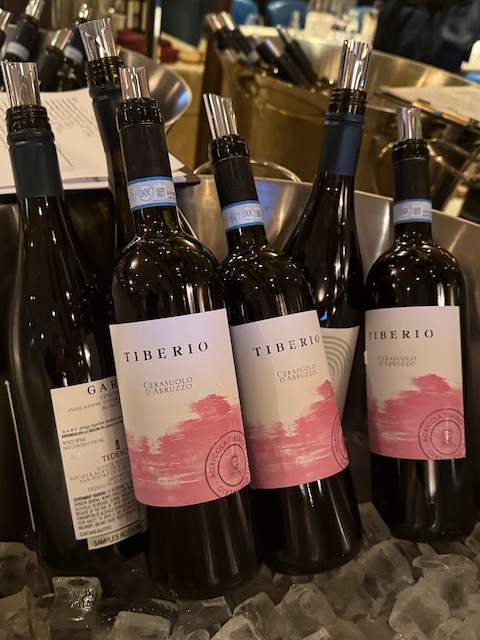
3. Tedeschi “Gary” 2023: Fun, fruity blend of Garganega, Riesling and Chardonnay—this is the roots of their region. Nice tension, round with great acidity blast with easy-drinking charm.
4. Tiberio Cerasuolo d’Abruzzo 2025: Its the kind of rosé that you want to bite. Tart cherry, juicy wild strawberry and pomegranate rosé vibes—juicy, chillable crowd-pleaser. It has an electricity and vibration that is the story of Abruzzo. Cristina wanted to keep the identity of the region in this wine. Absolutely loved it.
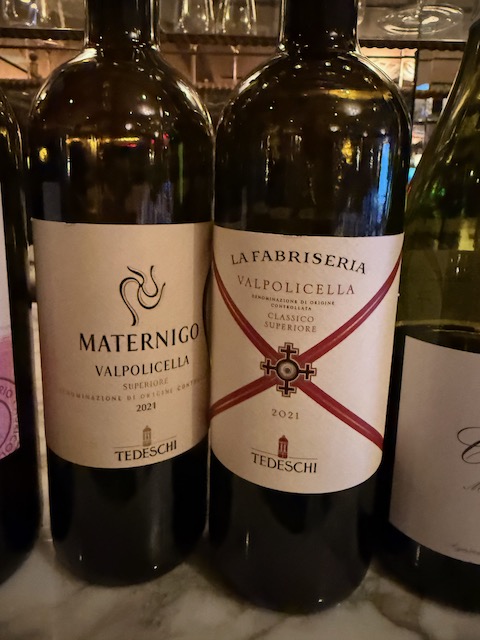
5. Tedeschi Valpolicella Superiore 2021: Red currant and spice—elegant, versatile Veneto gem.
6. Tedeschi Valpolicella Classico Superiore 2021: Higher altitude, earthier herbs over fruit—classic with a modern edge locked into a balsamic and floral character, chewier.
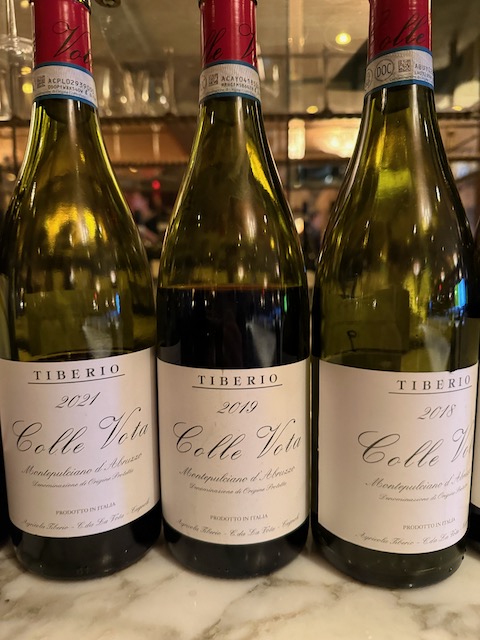
7. Tiberio Montepulciano d’Abruzzo “Colle Vota” 2021: Dark plum power—structured, thicker type of wine with a deeper, refined personality, food-loving red. Its a Super Cru.
8. Tiberio Montepulciano d’Abruzzo “Colle Vota” 2019: Savory and evolved tobacco and leather—age adding smoky allure. Richer less herbal than the 2018, ample and broad
9. Tiberio Montepulciano d’Abruzzo “Colle Vota” 2018: Mature berry compote—velvet tannins, profound depth. Cooler vintage, very complex and silky tannins. Cristina didn’t make a vintage from 2014 till 2018. Incredible.
10. Tedeschi Amarone della Valpolicella 2020: Raisin-rich intensity—bold, warming appassimento moorish magic.
11. Tedeschi Amarone della Valpolicella Classico Riserva 2018: Chocolate-covered cherries—luxurious, long-haul stunner. Monte Olme Cru which is refined, elegant, balanced and beautiful. Stunner.
12. Tedeschi Amarone della Valpolicella Classico Riserva 2011: Sabrina said ” Amarone is a food wine.” The drying process reduces volume by 40%, it makes complete sense why these beautiful wines are more expensive! An aged grace: dried fruit and spice—elegant evolution. Textured raisins, coffee, concentrated flavors, bright acidity, great fruit structure with extra richness and depth. I couldn’t get enough of this wine!
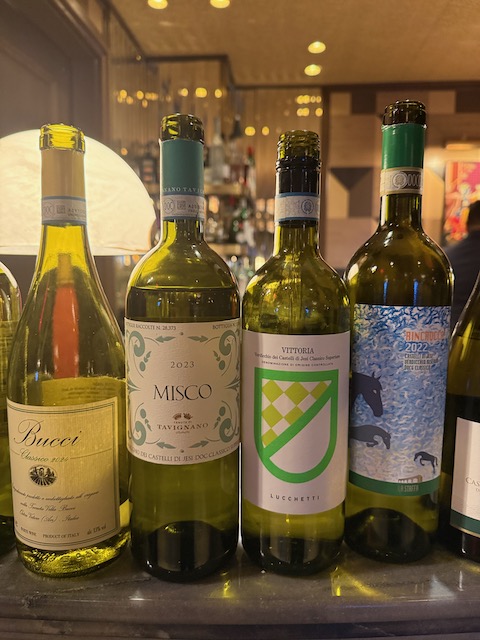
Masterclass 3: Understanding the Greatness that is Verdicchio and the Castelli di Jesi Terroir: Categories, Styles, Ageworthiness
Verdicchio from the sun-kissed, wind-swept hills of Castelli di Jesi isn’t just a white wine—it’s a shape-shifter with serious staying power. Thanks to the region’s rolling clay-limestone slopes and cooling Adriatic breezes, the wines start bright and breezy in their Classico youth: zesty lemon, green apple crunch, white peach, and that trademark bitter-almond finish that makes them ridiculously food-friendly. Step up to Classico Superiore and you gain concentration and mineral grip; then the Riserva level (minimum 18 months aging) unlocks pure alchemy—golden hues, layers of honeyed apricot, toasted hazelnut, chamomile, and a whisper of petrol that only time can coax out. These wines don’t simply age—they evolve magnificently, hitting their stride at 7–10 years and often hitting breathtaking heights at 15–20+, proving Castelli di Jesi Verdicchio is one of Italy’s most thrilling, long-lived whites.
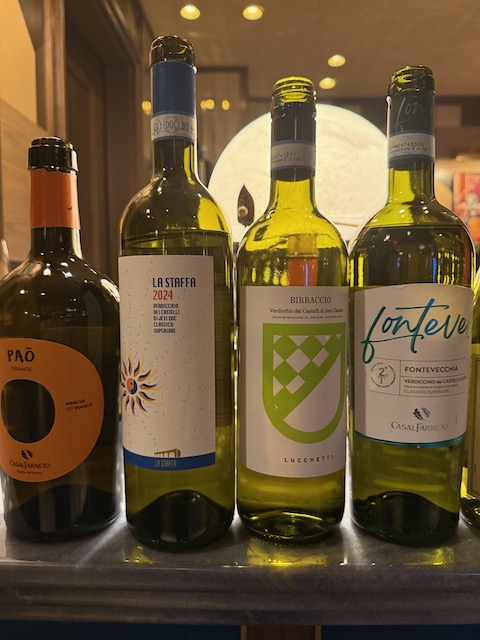
1. Casalfarneto Marche Bianco “Pao” 2024: Grippy amphora wine, almonds, lively apple, marmalade and herb—crisp entry-level charmer.
2. La Staffa Verdicchio dei Castelli di Jesi “La Staffa” 2024: Fresh and juicy lemon-lime zip—pure, unoaked vitality. Such a beauty!
3. Lucchetti Verdicchio dei Castelli di Jesi Classico “Birbacciò” 2024: Creamier than La Staffa, more floral pear pop—fun, everyday sipper.
4. Casalfarneto Verdicchio dei Castelli di Jesi Classico Superiore “Fontevecchia” 2024: A founder wine, concentrated prettiness, balanced mineral-driven citrus—elevated freshness.
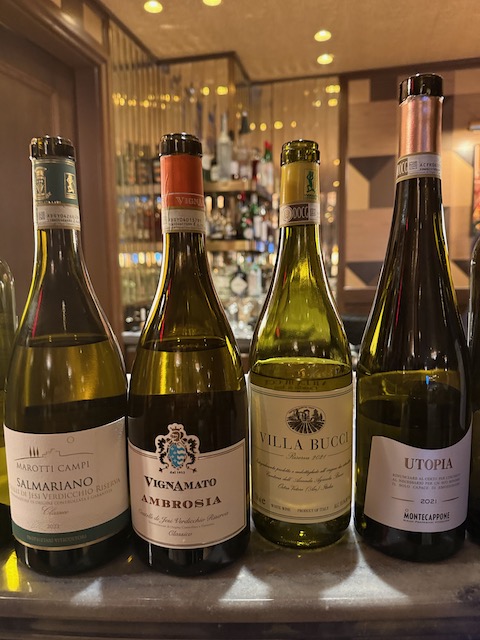
5. Tenuta Villa Bucci Verdicchio dei Castelli di Jesi Classico “Riserva Bucci Classico” 2024: A blend of five vineyards, each fermented separately. Denser, richer and a bigger texture, it has stuffing to it. Almond and honey hints—rich, promising youth.
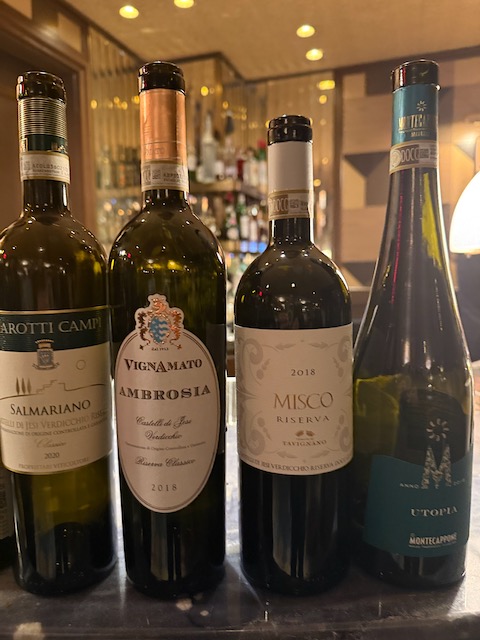
6. Tenuta di Tavignano Verdicchio dei Castelli di Jesi Classico Superiore “Misco” 2023: Savory fennel, lemon confit, herbal earthiness, more serious – vibrant and layered. Loved it!
7. Lucchetti Verdicchio dei Castelli di Jesi Classico Superiore “Vittoria” 2023: Clean feel, summer sipper, very pretty green apple crunch—balanced, food-ready.
8. La Staffa Verdicchio dei Castelli di Jesi “Rincocca” 2022: Nutty evolution—creamy texture with zing.
9. Marotti Campi Verdicchio dei Castelli di Jesi Classico Riserva “Salmariano” 2022: Salty mineral core—structured, sea-inspired.
10. Vignamato Verdicchio dei Castelli di Jesi Classico Riserva “Ambrosia” 2022: Nectar-like peach—sweet-kissed but dry.
11. Tenuta Villa Bucci Verdicchio dei Castelli di Jesi Classico Riserva “Villa Bucci” 2021: Complex anise and fruit—age-worthy elegance. Very long finish- absolutely loved it.
12. Montecappone Verdicchio dei Castelli di Jesi Classico Riserva “Utopia” 2021: Bold almond and spice—dreamy depth.
13. Marotti Campi Verdicchio dei Castelli di Jesi Classico Riserva “Salmariano” 2020: Earthy maturity—savory, long finish.
14. Vignamato Verdicchio dei Castelli di Jesi Classico Riserva “Ambrosia” 2018: Honeyed with petrol notes—beautifully aged.
15. Tenuta di Tavignano Verdicchio dei Castelli di Jesi Classico Riserva “Misco Riserva” 2018: Toasted nuts and citrus—refined veteran.
16. Montecappone Verdicchio dei Castelli di Jesi Classico Riserva “Utopia” 2016: Golden apple wisdom—profound, evolved bliss.
Attendees were inspired, with Ian’s signature wisdom ringing true: “If you have the ABCs—grape variety, the wine’s character—then you can enjoy the wine more.” He stressed how dramatically Pinot Grigio (PG) varies worldwide, warning that ignoring those differences “takes away from the enjoyment and specificity of the wine.” His mission? “I like to give you the elements so you can think, and not be shut out like society does.”
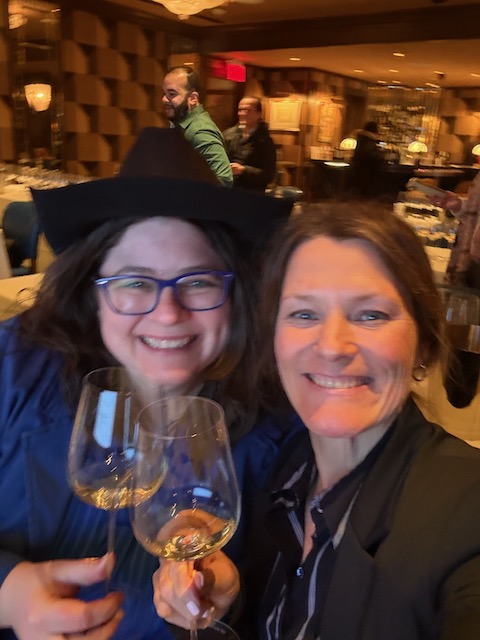
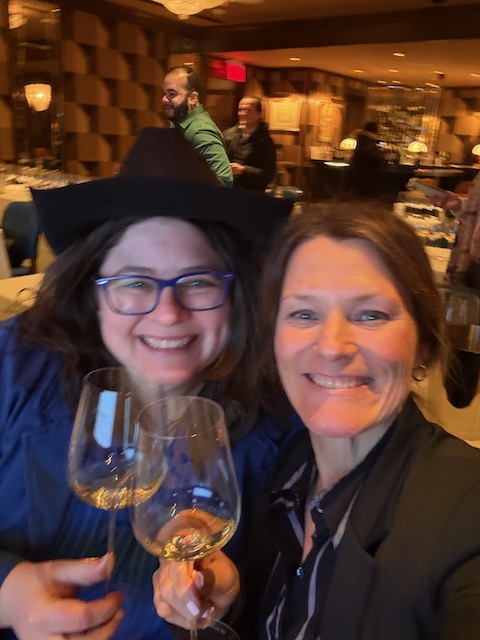
I left Café Carmellini that day with memories of new favorite bottles, scribbled tasting notes, wearing a bigger smile, one thing was crystal clear: Ian D’Agata doesn’t just teach Italian wine—he ignites a lifelong passion for it. So grab one of Ian’s essential books, hunt down these producers, and raise a glass to the man who keeps Italy’s wine soul vibrant, diverse, and endlessly fascinating. Here’s to more masterclasses, more discoveries, and more thoughtful sips—one unforgettable event at a time